Mobile vs Stationary Concrete Batching Plant: 7 Questions Before You Choose
What kind of project will this concrete batching plant serve?
Many buyers compare a mobile concrete batching plant with a stationary concrete batching plant before placing an order. The question is not which type is always better. The real question is which one fits your project schedule, site condition, concrete demand, and future production plan. Choosing a concrete batching plant is not only about capacity.
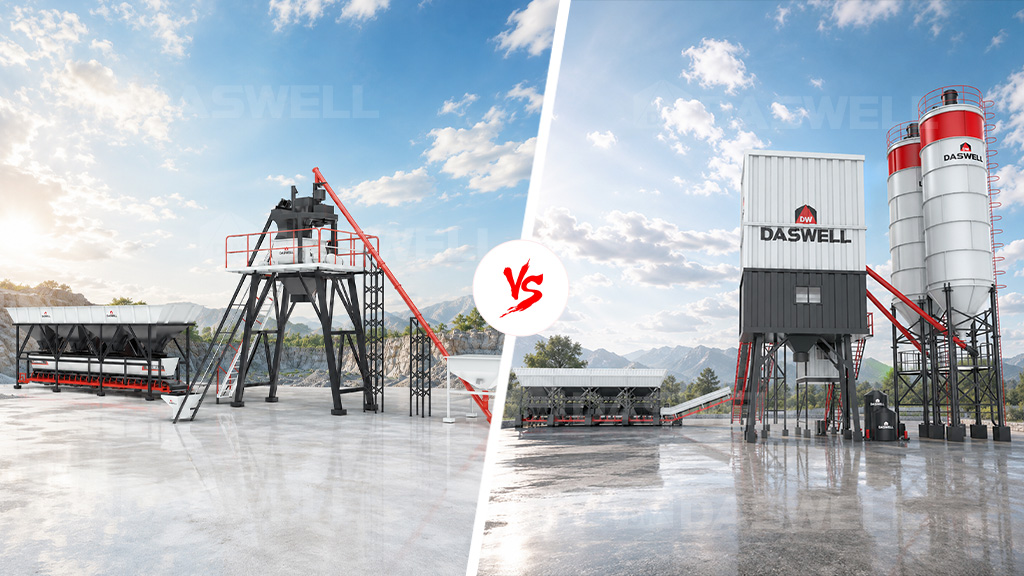
A mobile concrete batching plant and a stationary concrete batching plant can both produce concrete. But they are not designed for the same working conditions. One may be better for a short-term road project. The other may be better for long-term concrete supply or a fixed construction base.
| Factor | Mobile Concrete Batching Plant | Stationary Concrete Batching Plant |
|---|---|---|
| Project site | Changes from place to place | Fixed production site |
| Project period | Short or medium-term projects | Long-term production |
| Installation | Faster setup and transfer | Needs more site preparation |
| Production demand | Project-based demand | Stable daily output |
| Business type | Contractor project use | Ready mix concrete supply |
| Site layout | More flexible | More complete planning |
| Future expansion | Limited expansion | Better for capacity upgrade |
1. Will Your Project Site Change?
The first thing to check is whether your concrete production site will stay in one place.
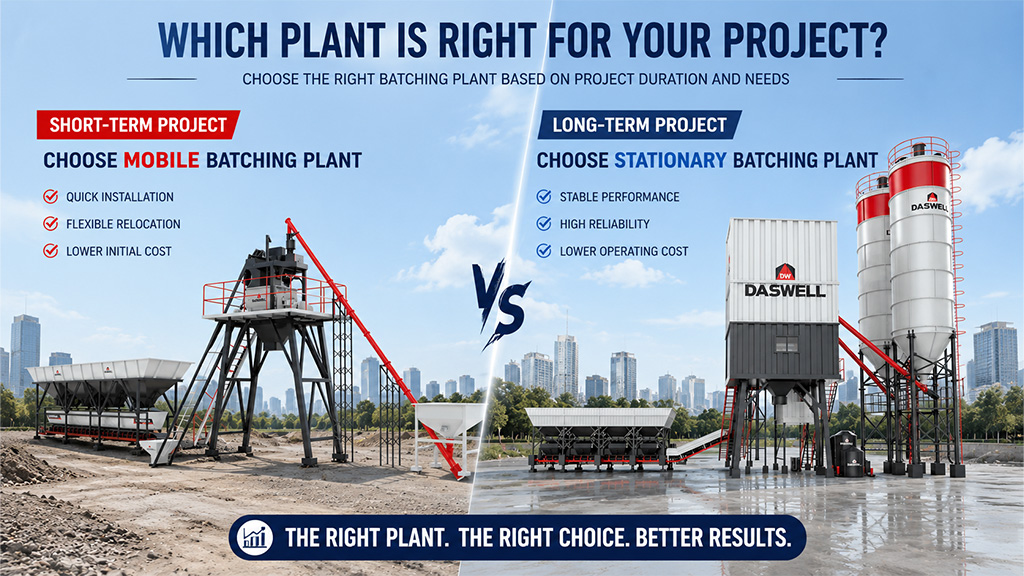
If the project needs to move from one jobsite to another, a mobile concrete batching plant is usually easier to manage. It can be transported and installed faster, so it is suitable for road construction, bridge work, remote projects, and temporary construction sites.
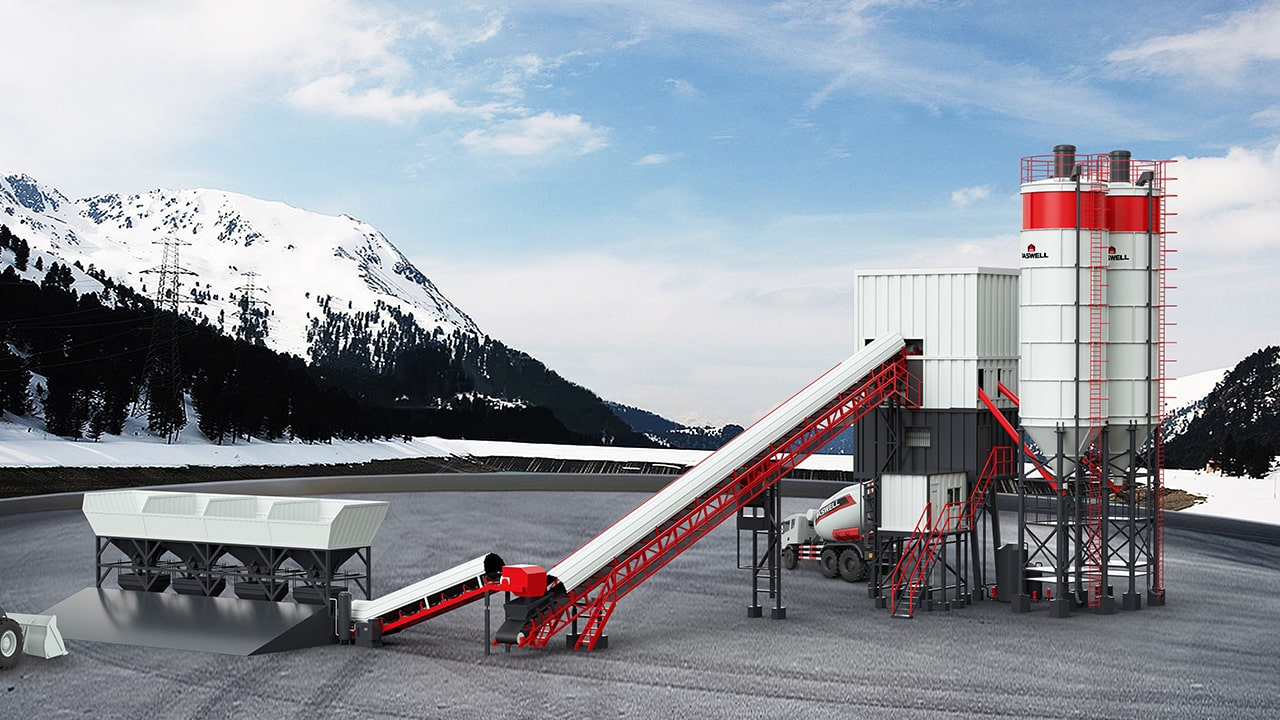
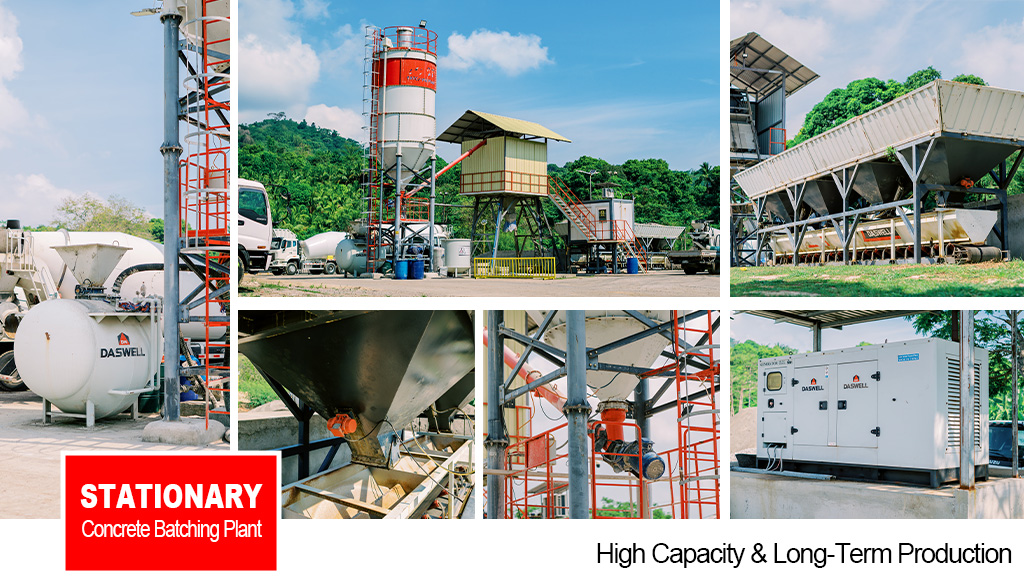
If the plant will stay in one fixed location, a stationary concrete batching plant is usually a better choice. It is more suitable for long-term concrete production, especially when the site has stable land, planned truck routes, and enough space for aggregate storage, cement silos, and maintenance.
Simple way to judge:
Choose mobile if your production site may change. Choose stationary if the plant will work from one fixed base.
2. How Long Will the Project Run?
Project duration also affects the choice.
For a short-term or medium-term project, fast installation and easy relocation may be more important than building a permanent production base. In this case, a mobile concrete batching plant can help the contractor start concrete production faster and move the plant after the project is finished.
For a long-term project or continuous concrete supply, a stationary concrete batching plant is usually more practical. It takes more preparation at the beginning, but it is better for stable daily production and long-term operation.
Simple way to judge:
Choose mobile for short or temporary projects. Choose stationary for long-term production.
3. Is Your Concrete Demand Stable Every Day?
A stationary concrete batching plant is often used when the customer needs regular concrete output. It can be used for commercial concrete supply, large building projects, infrastructure construction, or long-term local concrete production.
A mobile concrete batching plant is more suitable when the demand is project-based. It can produce concrete near the site, serve the project, and then move to the next location when needed.
4. Is the Plant for One Project or for Concrete Supply Business?
This point is easy to ignore.
If you are buying a concrete batching plant for one specific project, your decision should follow the project schedule, site access, installation time, and concrete use plan.
But if you are buying the plant for a concrete supply business, the logic is different.
A ready mix concrete plant needs to think about long-term production, customer distance, mixer truck routes, daily orders, maintenance space, and future expansion. In this case, a stationary concrete batching plant is usually more suitable.
For a contractor, a mobile concrete batching plant may help finish one project more efficiently.
For a concrete supplier, a stationary concrete batching plant may help build a stable production center.
5. How Fast Do You Need to Start Production?
Some projects have a tight schedule. The site is ready, workers are waiting, and concrete production needs to start as soon as possible.
In this situation, installation speed becomes important.
A mobile concrete batching plant usually has a more compact design. Some parts are integrated, so the installation and transfer process can be faster than a traditional stationary plant.
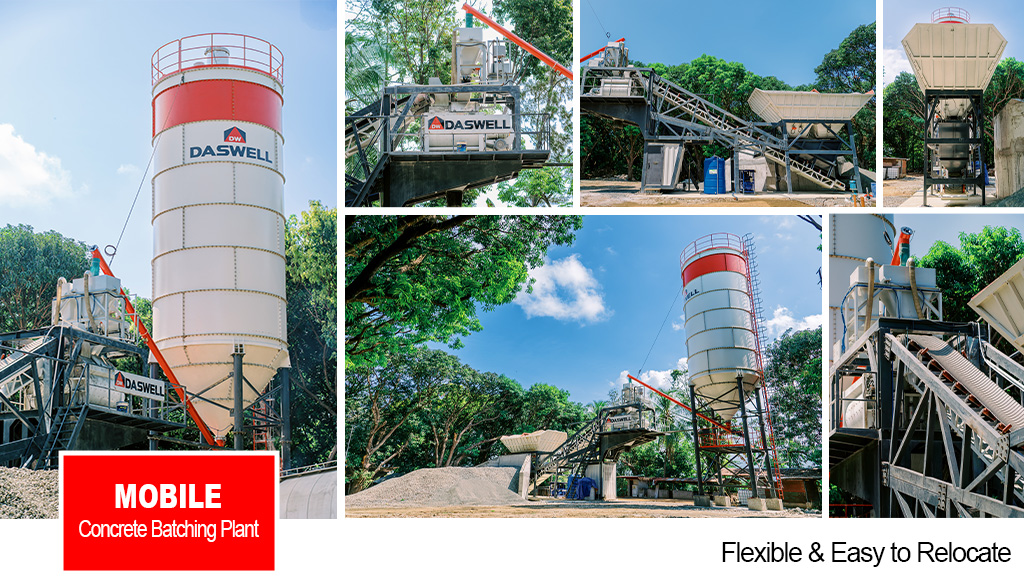
This is one reason why many contractors use mobile batching plants for temporary projects or remote jobsites. They do not want to spend too much time building a permanent production base for a short-term project.
A stationary concrete batching plant often needs more preparation. The customer may need to plan the foundation, aggregate bins, cement silo position, control room, truck route, water supply, power supply, and maintenance area.
For long-term production, it is necessary. But for a project that needs fast setup, it may take more time.
6. Is the Site Ready for Foundation, Power, and Layout?
A concrete batching plant is not only the main mixer and batching machine. The whole site layout matters.
Before choosing mobile or stationary, the buyer should check:
- land size
- foundation condition
- power supply
- water supply
- cement silo position
- aggregate storage area
- mixer truck access
- loading machine route
- drainage condition
- space for maintenance
A stationary concrete batching plant usually needs a more complete site layout. It is suitable when the customer has enough land and wants a stable production arrangement.
A mobile concrete batching plant needs less site preparation in many cases, but it still needs a reasonable working area. The plant should have space for material loading, cement supply, concrete discharge, and equipment maintenance.
7. Will You Need Higher Capacity or Expansion Later?
If your project may grow, or if you plan to supply concrete for more customers later, you should think about capacity expansion from the beginning.
A stationary concrete batching plant is usually better for long-term capacity planning. It can be designed with larger aggregate storage, cement silos, mixer capacity, and truck loading arrangements.
A mobile concrete batching plant can also meet many production needs, especially for temporary and medium-scale projects.
Mobile concrete batching plant is usually better when:
- the jobsite changes
- the project period is short or medium
- fast installation matters
- concrete needs to be produced near the working area
- the project does not need a permanent plant
Stationary concrete batching plant is usually better when:
- the production site is fixed
- daily concrete demand is stable
- higher capacity is needed
- the customer runs a ready mix concrete business
- there is enough space for foundation, silos, mixer trucks, and maintenance
Do Not Choose Only by Price
Price is important, but it should not be the only factor.
A mobile concrete batching plant may save time in installation and relocation. A stationary concrete batching plant may bring more value in long-term production. The real cost should include installation, foundation, transportation, site preparation, operation, maintenance, and future production needs.
Need Help Choosing a Concrete Batching Plant?
If you are not sure whether to choose a mobile concrete batching plant or a stationary concrete batching plant, you can start with your project conditions.
Tell DASWELL your project location, required capacity, working period, site layout, and concrete use plan. Our team can help you compare different options and suggest a suitable concrete batching plant for your jobsite.
Whether you need a temporary concrete batching plant for road construction or a stationary concrete batching plant for long-term concrete production, the right choice should make your concrete supply easier.