How to Choose the Right Equipment for Your Crushing Plant?
When you plan to establish a crushing plant, it is important to choose suitable equipment. If you are new to this industry, you may not know how to start.
In fact, there is more to equipment selection than comparing machine models and specifications. The right configuration depends on your required final products, characteristics of your material, capacity, and the conditions of your project site.
Whether you plan to produce manufactured sand, concrete aggregates, or prepare raw materials for mineral grinding, understanding these factors will help you make better equipment decisions and avoid unnecessary investment.
What Final Product You Want to Produce?
Before you select any crushing equipment, you should first define your final product and its application. This determines the required particle size, shape, grading, and processing stages. Different production goals require different equipment configurations.
| Final Product | Key Requirements | Main Equipment |
|---|---|---|
| Manufactured Sand | Particle size, shape, washing | Crusher + sand making machine + screen |
| Concrete Aggregate | Aggregate sizes, grading | Crusher + vibrating screen |
| Mineral Powder | Grinding mill feed size | Crusher + grinding mill |

Manufactured Sand Production
If you plan to produce manufactured sand for construction, the crushing plant needs to reduce large rocks into fine particle shape.
Except for the primary and secondary crushers, you may also require a sand making machine, vibrating screen, and possibly a sand washing system.
Concrete Aggregate Production
For concrete production, aggregates usually need to meet specific size and grading requirements.
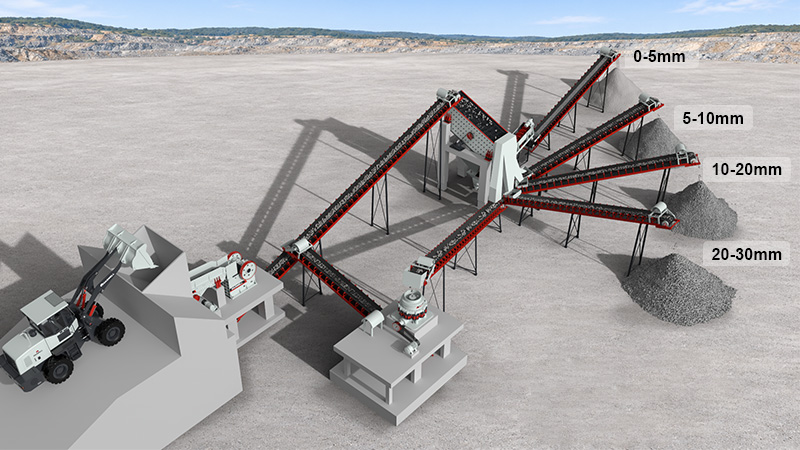
For concrete aggregate production, you may need to produce several sizes of aggregates, such as 0-5mm, 5-10mm, 10-20mm, and 20-30mm. Your crushing plant should be able to produce and separate these sizes consistently. A screening machine will be essential.
Mineral Powder Production
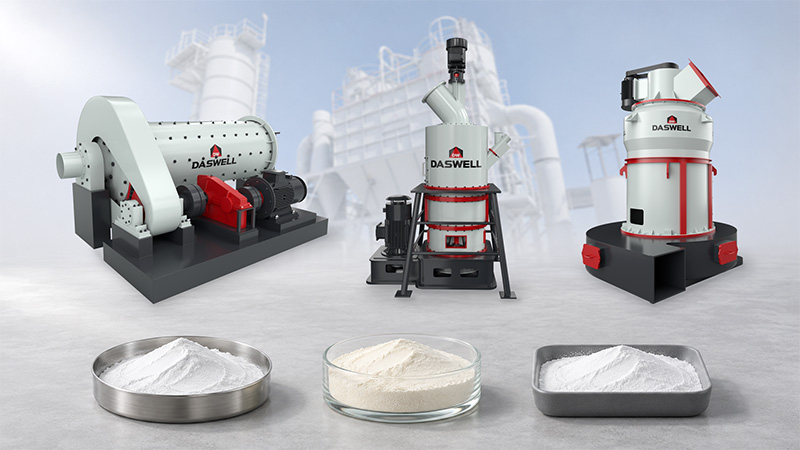
If your final product is mineral powder, crushing is only the preparation stage. The crushed material needs to be further processed by grinding equipment to achieve the required fineness.
Depending on the material and powder specifications, the production line may need a Raymond mill, ring roller mill, or ball mill with an air classifier. These grinding mills have different feeding size requirements.
What Are Your Raw Material Properties?
Different materials behave differently during crushing. Their physical properties directly influence equipment selection, crushing efficiency, wear, and maintenance costs. Before choosing a crusher, you should evaluate these properties of your raw material.
Highly abrasive materials can accelerate wear on crushing components, including jaw plates, liners, and hammers.
Thus, equipment durability and wear-resistant materials become important considerations.
Wet or sticky materials may adhere to equipment surfaces and cause blockages during feeding, crushing, and screening. It may need adjustments to the feeding and screening systems.
If the raw material contains impurities or different types of materials, you may need to configure a screening or separation system to ensure consistent product quality.
Knowing these properties helps you select suitable crushing equipment. Meanwhile, you can also determine the appropriate wear parts and supporting systems well.
| Material Properties | Key Considerations | Equipment Selection |
|---|---|---|
| High hardness | Crushing force | Jaw crusher / cone crusher |
| High abrasiveness | Wear resistance | Crusher with wear-resistant parts |
| High moisture | Blockage risk | Suitable feeder and screening system |
| Impurities | Separation requirements | Screening or separation equipment |
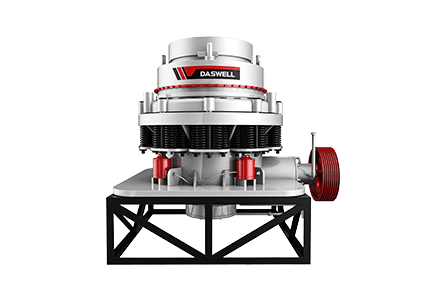
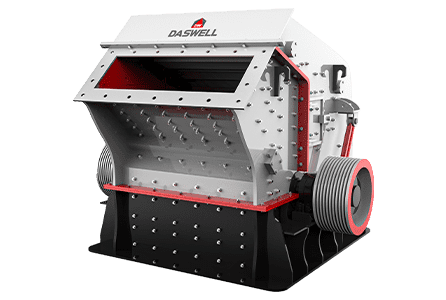
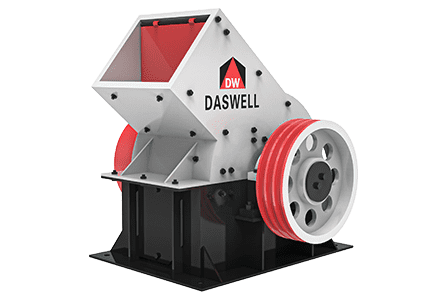
What Is the Feeding Size of Your Material?
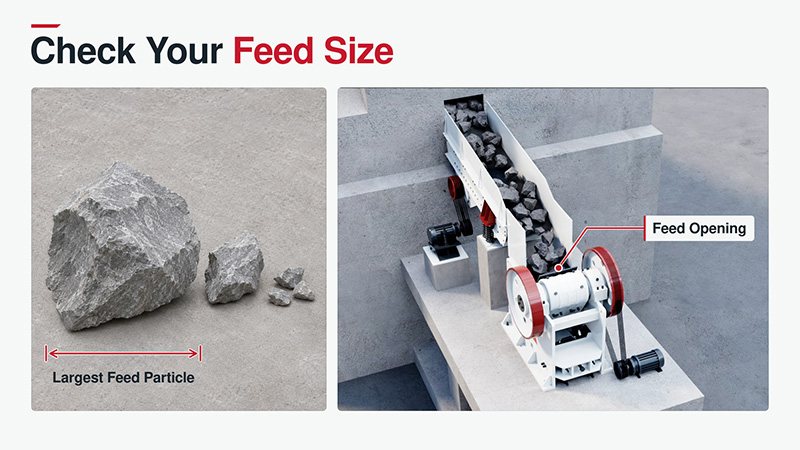
Feeding size is another important factor when choosing crushing equipment. Different crushers have different maximum feeding sizes and feed opening dimensions.
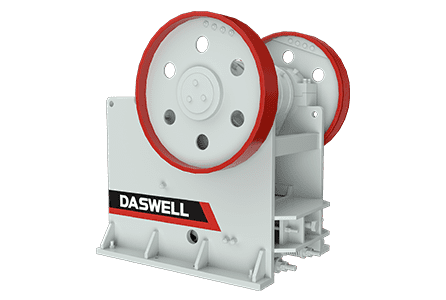
If you want to crush large stocks, which is from a quarry, you may need a jaw crusher machine for primary crushing. When the material is reduced to a smaller size, it can enter a secondary crushing machine for further reduction.
When evaluating feed size, there are some factors you should focus on.
The maximum feed size is key for your crusher machine selection. It must be within the allowable feeding range of the selected crusher. For making sure the stable material supply, you can consider whether you need a vibrating feeder or not.
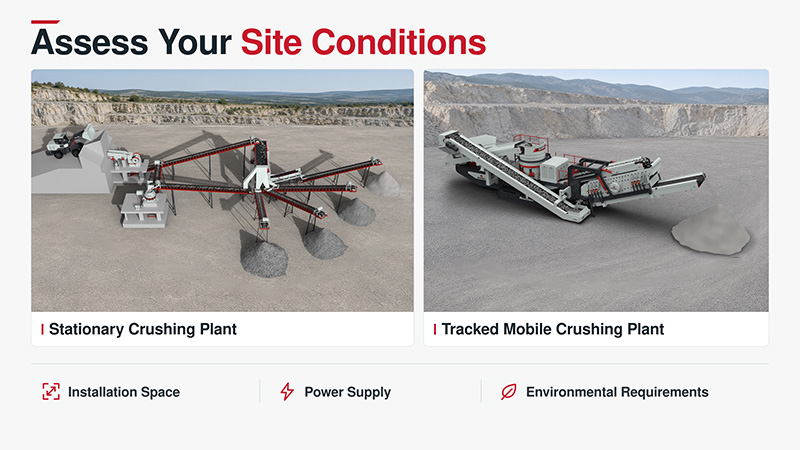
What Are the Conditions of Your Project Site?
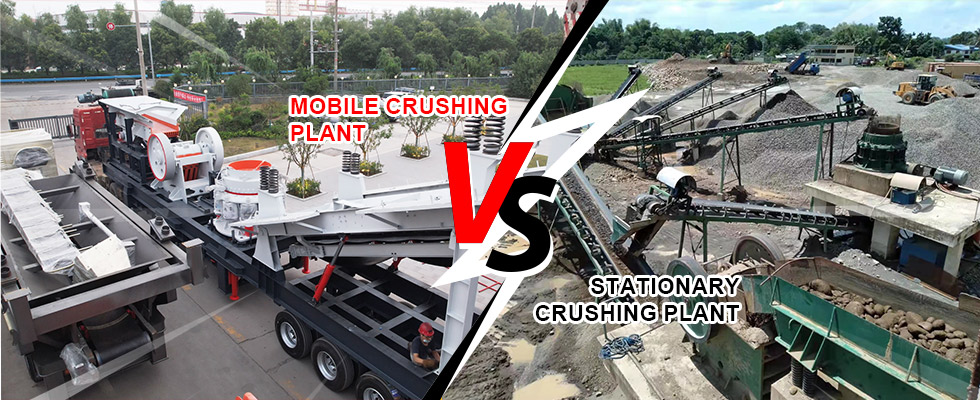
The installation site can also influence your crushing plant configuration. Before planning the equipment layout, consider the following:
Evaluating these conditions in advance helps avoid installation difficulties and unnecessary changes to the plant layout.
With years of experience in providing crushing equipment and complete production line solutions, Daswell understands the different requirements of manufactured sand production, concrete aggregate processing, and mineral powder preparation.
We can evaluate your raw material properties, feed size, target product specifications, and production capacity. We focus on matching every stage of your production process and recommend suitable equipment and solutions for you. Whether you need an individual crusher or a complete crushing plant, Daswell is ready to support your project with professional equipment selection and turnkey solutions. Contact Daswell today to discuss your project and find the right crushing solution.