Philippine Customer Used a DASWELL Trailer Concrete Pump for Building Construction, 2025
Time: 2025
Location: Philippines
Equipment: DASWELL trailer concrete pump
Application: Building construction
Working method: Concrete pumping through pipelines
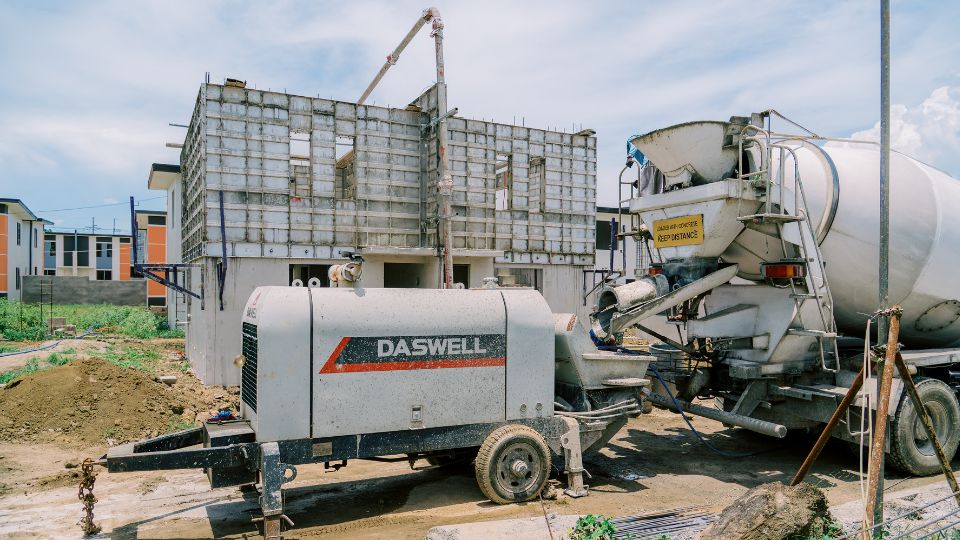
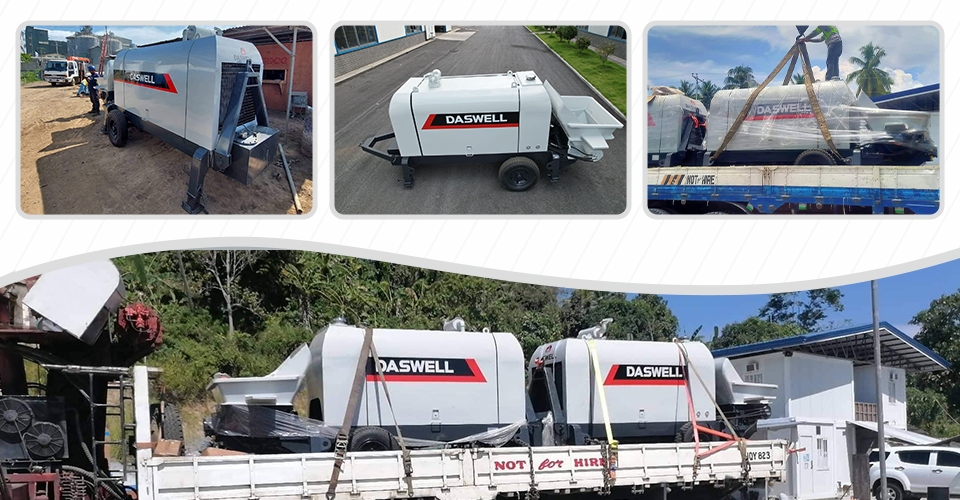
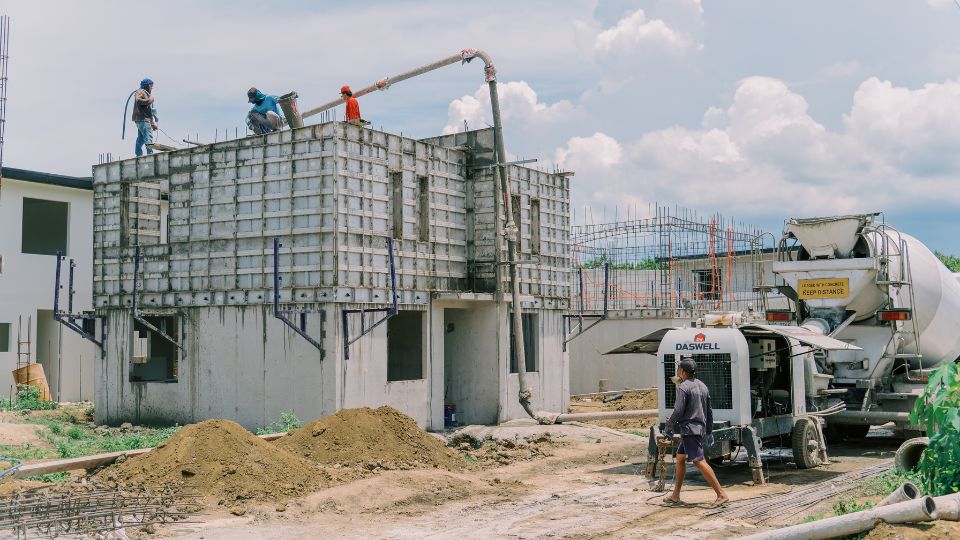
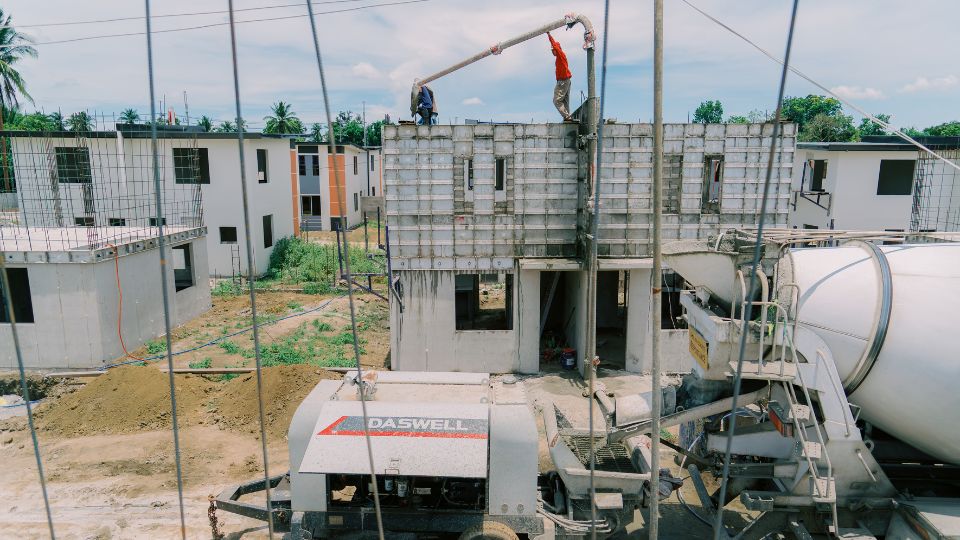
In 2025, a Philippine customer used a DASWELL trailer concrete pump for a building construction project. The pump worked on site to deliver concrete from the ground area to the upper pouring position through pipelines.
This project was a typical building construction site. The concrete needed to be placed at a higher position, while direct discharge was not convenient. In this situation, a trailer concrete pump was a practical choice. It helped move the concrete to the required position and made the pouring work easier to arrange.
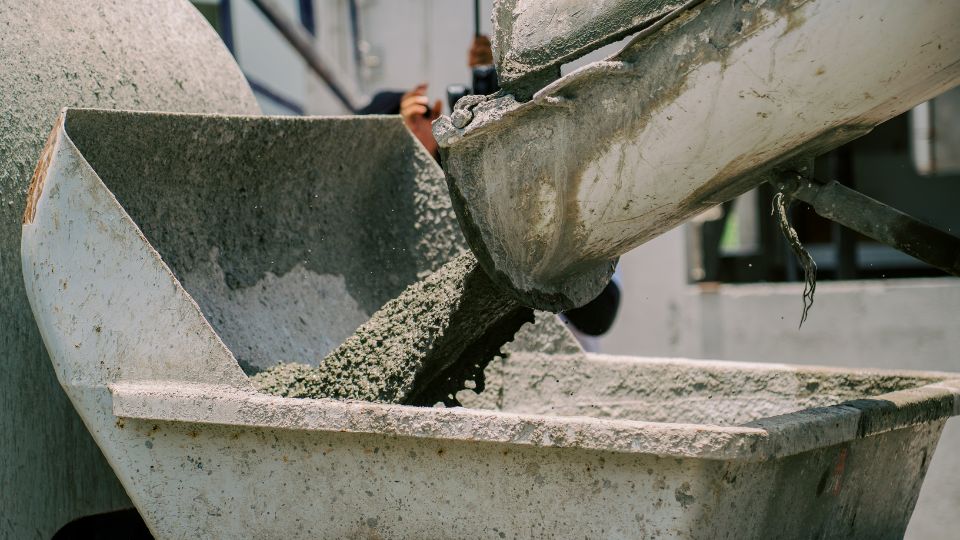
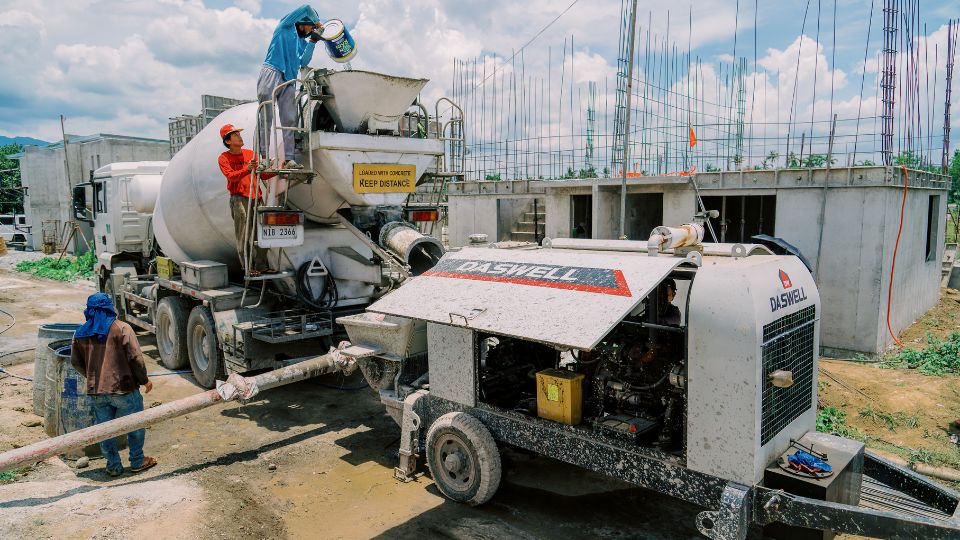
The DASWELL trailer concrete pump was placed near the building. After the concrete entered the pump hopper, the machine pushed it through the pipeline. Workers then placed the concrete at the upper construction area.
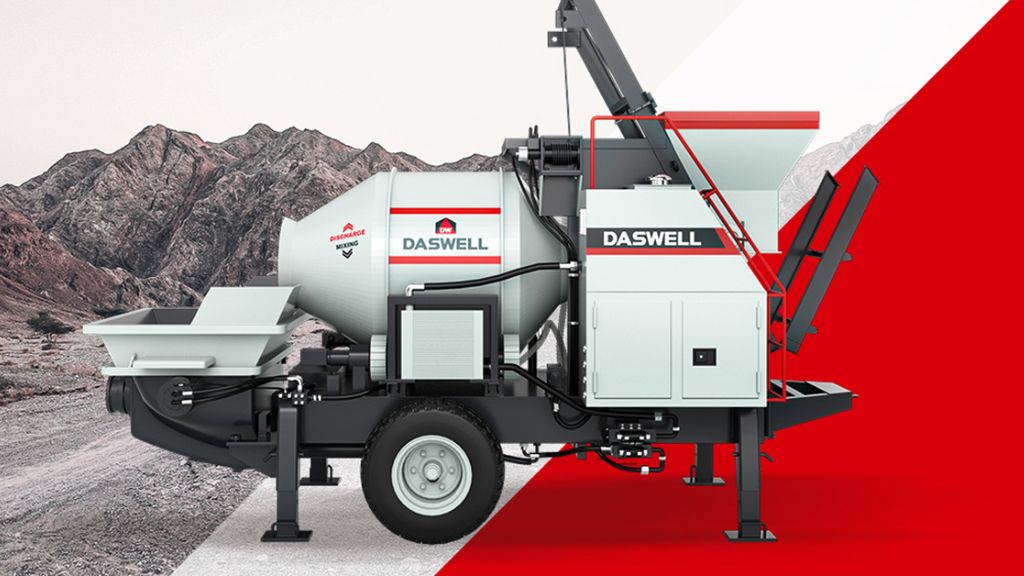
For this kind of jobsite, the main purpose of the trailer concrete pump is clear. It connects the concrete supply point with the actual pouring point. The equipment does not need to mix concrete by itself. Its main job is to pump concrete steadily through the pipeline. If the project needs on-site mixing and pumping in one machine, a concrete mixer pump may be another option to consider.
Why the Customer Chose a Trailer Concrete Pump
On many building sites, the concrete supply point and the pouring point are not always close to each other. Sometimes the pouring area is on an upper floor. Sometimes the site space is limited. Sometimes the concrete cannot be discharged directly to the working area.
If workers move concrete manually, the process can take more time and labor. It may also slow down the pouring work. A trailer concrete pump can reduce this problem.
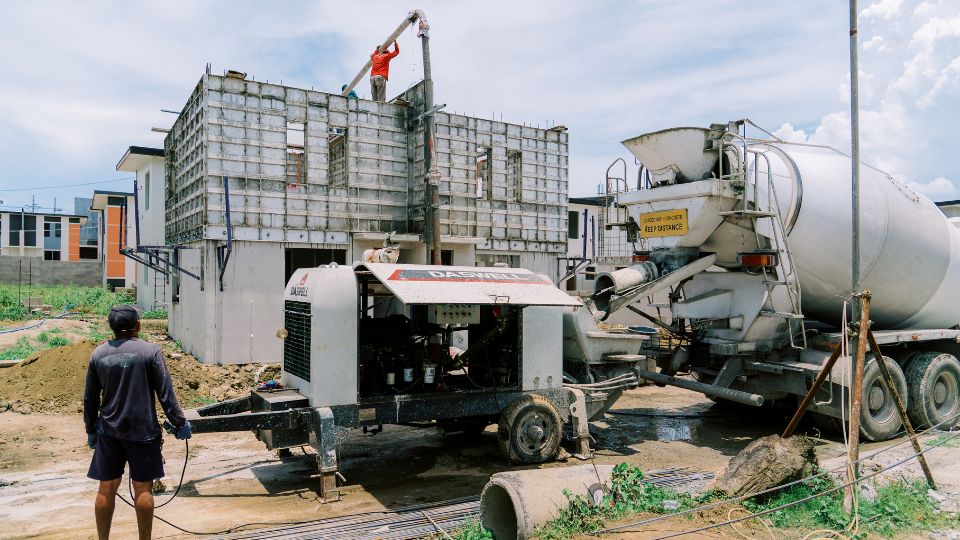
In this Philippine project, the customer needed a concrete pump to deliver concrete to the building structure. The DASWELL trailer concrete pump was used to complete this work through a connected pipeline system.
Compared with manual transfer, concrete pumping is more suitable for continuous pouring. It can also make the jobsite arrangement cleaner and more organized.
Concrete pumps significantly increase overall workflow efficiency compared with traditional methods such as manual barrowing or crane bucket placement. With a concrete pump, concrete can be transported quickly, continuously, and accurately to where it’s needed, whether for floor slabs, columns, beams, or upper floors in high-rise buildings.
A trailer concrete pump, specifically, offers flexibility for projects that are medium‑sized or where access is limited. Its design allows both vertical and horizontal concrete delivery through a pipeline system, making it suitable for building sites where movement and placement options are restricted.
Because of these advantages, more contractors now choose concrete pumping over labor‑intensive transport methods. The result is faster job completion, more precise concrete placement, and reduced labor costs, which all contribute to improved construction quality and schedule control.
Working Process on Site
The working process was simple:
Concrete supply → Pump hopper → Trailer concrete pump → Pipeline → Pouring area
First, the trailer concrete pump was positioned beside the building. Then the pipeline was connected and arranged according to the construction area. For better pumping performance, the pipeline route should be planned carefully. You can also read our guide on how to install concrete pump pipelines.
After the concrete entered the hopper, the pump started to push the material through the pipe. The pipeline delivered the concrete to the upper pouring position. Workers on the structure then finished the placement work.
From the site photos and video, the whole process is easy to see. The pump stayed on the ground, while the pipeline carried concrete to the higher working area. This is a common working method for building construction, floor slab pouring, beam pouring, column pouring, and other concrete placement work.
Trailer Concrete Pump for Building Construction
A trailer concrete pump is suitable for projects where concrete needs to be delivered through pipelines. It is often used in building construction, house construction, road construction, bridge work, foundation pouring, and other concrete projects. For different jobsite needs, DASWELL also provides different types of concrete pumps, including trailer pumps, mixer pumps, and other pumping equipment.
For building projects, the equipment is useful when the pouring point is not easy to reach directly. The pump can send concrete to higher areas, inner spaces, or places blocked by site conditions.
This type of concrete pump can work with different concrete supply methods, such as ready-mixed concrete from a batching plant or concrete delivered by mixer trucks. The key point is to keep the concrete supply stable and make sure the concrete mix is suitable for pumping. For projects that need stable on-site concrete production, a concrete batching plant can also be considered.
For this Philippine customer, the DASWELL trailer concrete pump helped complete the concrete pouring work on site. It played an important role in moving concrete from the ground supply point to the construction area.
Watch the Working Video
DASWELL also recorded a working video for this Philippine project.
The video shows the real working condition of the trailer concrete pump at the jobsite. Customers can see the pump position, pipeline arrangement, and concrete delivery process more clearly.
For buyers who want to understand how a trailer concrete pump works in actual construction, this kind of site video is more direct than product pictures only.
What to Consider Before Using a Trailer Concrete Pump
Before choosing a trailer concrete pump, customers should check the real site conditions first.
Some important points include:
- pumping distance
- vertical height
- pipe length
- pipe bends
- concrete mix
- aggregate size
- site space
- required pouring speed
These factors can affect the pumping result. If the concrete mix is not suitable, or if the pipeline is arranged poorly, the pump may not work smoothly. Poor concrete mix or pipeline layout may cause blockage and unstable pumping. You can also read more about common problems when using concrete pumps. So model selection should not only depend on output capacity.
For a smoother concrete pumping process, it is better to plan the pipeline route in advance. The concrete supply should also remain stable during operation.
Contact DASWELL for Trailer Concrete Pump Solutions
This Philippine case shows how a DASWELL trailer concrete pump works in a real building construction project. The equipment helped deliver concrete through pipelines and supported the concrete pouring work on site.
If you need a trailer concrete pump for building construction, road work, foundation pouring, or other concrete projects, you can contact DASWELL for a suitable solution.
Tell us your project type, pumping distance, vertical height, output requirement, and site condition. DASWELL will help you choose a suitable concrete pump and provide a quotation.