How Does Aggregate Gradation Affect Concrete Pumping Performance?
Why Does the Same Concrete Mixer Pump Perform Differently When Handling Different Batches of Concrete? While some batches flow smoothly through the delivery pipes, others may encounter issues such as restricted flow, increased pumping resistance, or even pipe blockage.
In addition to the water-cement ratio, mortar content, and slump, aggregate gradation is a critical factor influencing pumpability. The specific combination of coarse and fine aggregates of varying sizes affects the voids between particles, the degree to which these voids are filled by mortar, and the overall flowability of the concrete mixer and pump.
How exactly does aggregate gradation affect concrete pumping? And what kind of particle combination is most conducive to smooth transport?
What is aggregate gradation in concrete?
Aggregate gradation means the distribution and proportions of aggregates of various particle sizes within concrete mix and concrete pumping. It concerns the range of particle sizes present in both coarse and fine aggregates, and how these particles of different sizes are combined.
In concrete production, aggregates are primarily categorized into two main types:
● ● ●
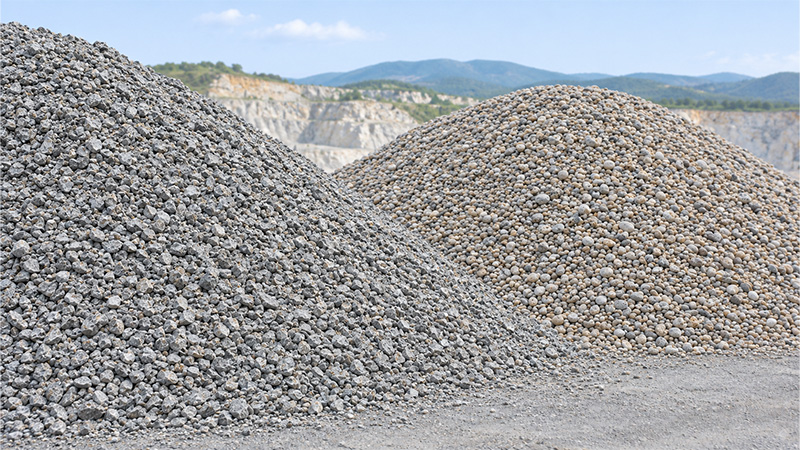
Coarse aggregates
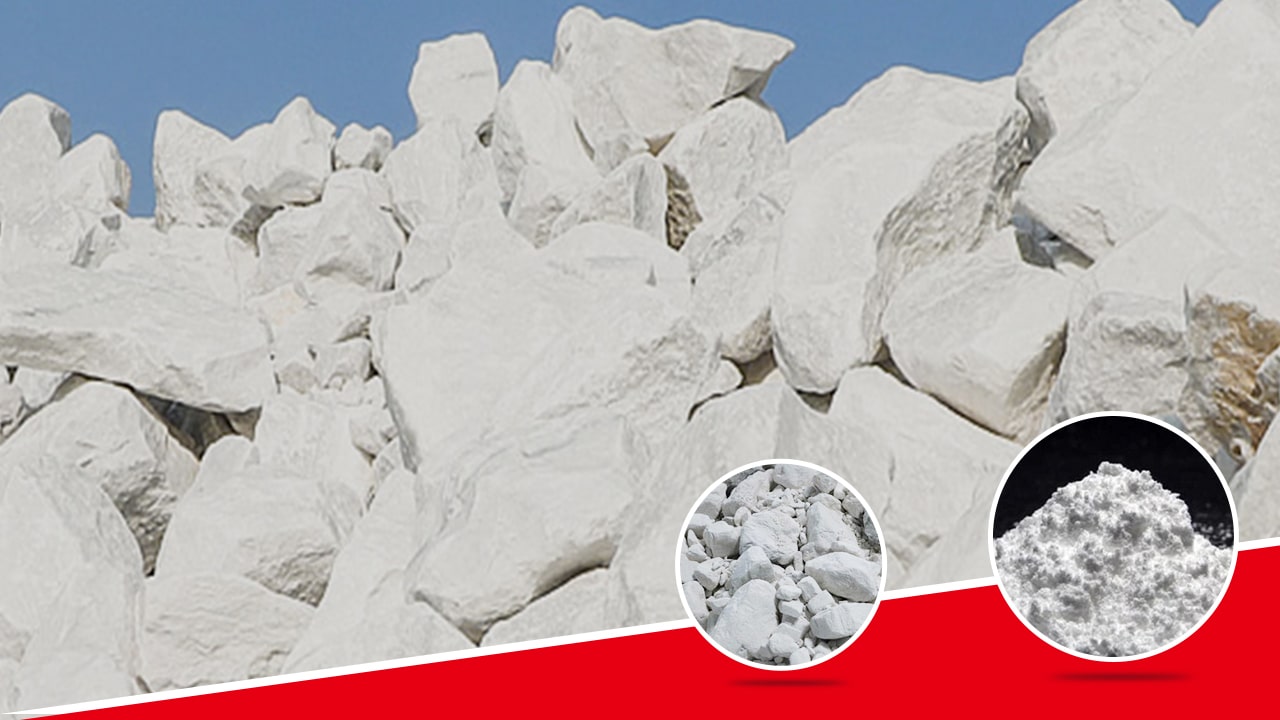
Coarse aggregates mainly include crushed stone and pebbles. They are an important part of concrete. Because of their larger particle size, they make concrete stronger and provide support for the overall structure.
● ● ●
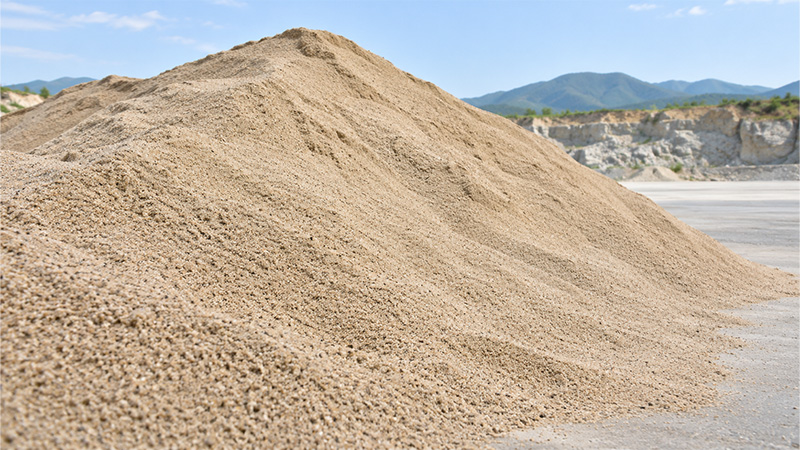
Fine aggregates
Fine aggregates primarily refer to sand, including both natural sand and manufactured sand. Their small particles fill the gaps between coarse aggregates. Together with cement and water, they form mortar.
Why does aggregate gradation affect the pumpability of concrete?
Concrete needs to flow through delivery pipes under pressure while maintaining a uniform consistency. Aggregate gradation affects how particles fit together, how much empty space remains between them, and how evenly the mortar is distributed.
01 /
The ratio of coarse aggregates to fine aggregates
Coarse and fine aggregates play different roles in concrete. They need to be mixed in the right proportions so that smaller particles can fill the spaces between larger ones.
Too much coarse aggregate leaves larger gaps between particles and requires more mortar to fill them. On the other hand, too much fine aggregate increases the total surface area, requiring more cement paste to coat the particles. Both situations can make concrete harder to pump.
02 /
Aggregate packing and concrete workability
Aggregate gradation affects how particles fit together. When the particle sizes are well balanced, smaller particles can fill the gaps between larger ones, making the concrete more compact and uniform.
If the gradation is not suitable, more empty spaces may remain between particles. This can increase internal friction and reduce the workability of concrete.
03 /
Formation of a lubricating layer during the pumping process
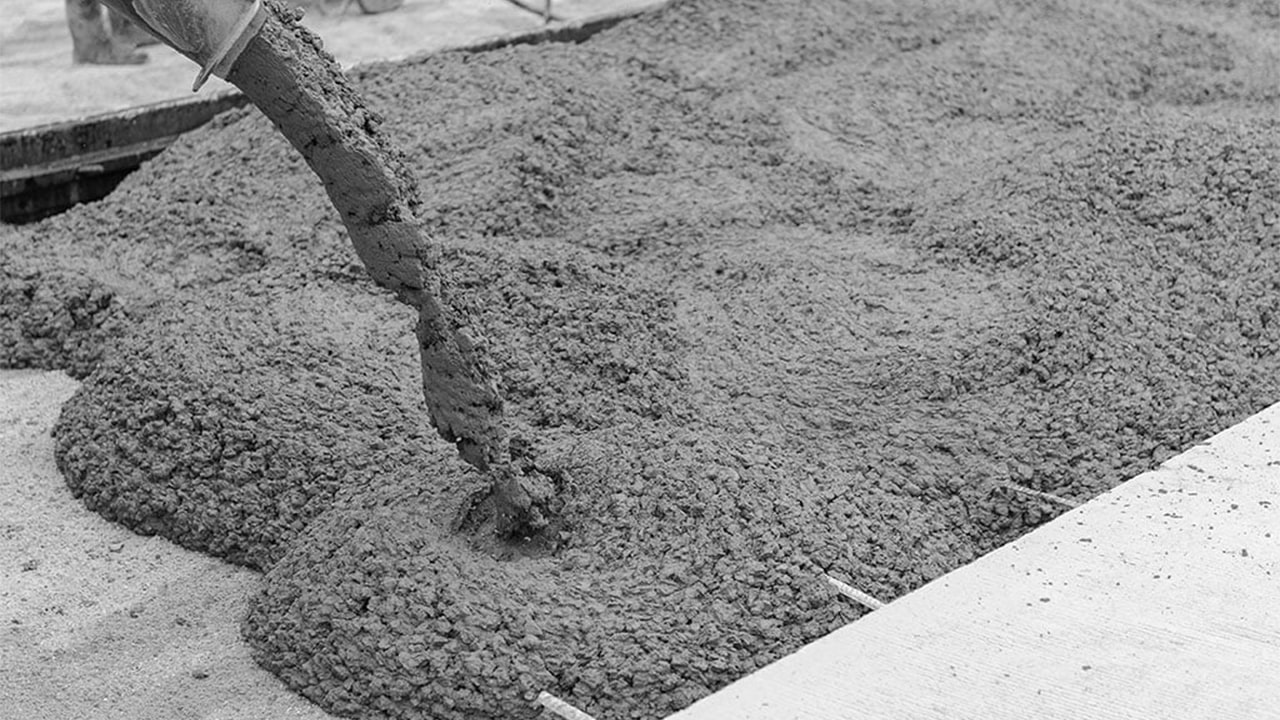
As concrete moves through the delivery pipe, a thin layer of paste or mortar forms along the pipe wall. This layer reduces friction and helps the concrete pumping flow smoothly through the pipe.
A proper balance of coarse and fine aggregates helps mortar fill the gaps between particles and coat their surfaces. This makes it easier to form a stable lubricating layer and maintain continuous concrete pumping.
What problems can an unreasonable aggregate gradation cause for concrete pumping?
In actual construction, improper aggregate gradation can affect the workability and stability of concrete, making the concrete pumping process less smooth and continuous.
Increased pumping resistance
When the ratio of coarse to fine aggregates is not suitable, particles may create more friction, and there may not be enough mortar to fill the gaps between them.
As a result, concrete pumping becomes hard, and the pump may need to work at higher pressure to move it through the delivery pipe.
Other factors, such as pipe length, the number of bends, pipe diameter, and pumping speed, can also affect pumping resistance.
Concrete segregation and bleeding
Segregation and bleeding are two common problems that affect concrete uniformity and pumpability.
Segregation occurs when coarse aggregates separate from fine aggregates and mortar. This makes the concrete mixture uneven. For example, coarse aggregates may sink and gather at the bottom, while cement paste or mortar rises to the surface.
Bleeding refers to the phenomenon where mix water separates from the concrete and rises to the surface during transport, vibration, pumping, or while the concrete is left to stand. In severe cases, a visible layer of water may form on the concrete surface.
Higher risk of pipeline blockage
Pipe blockage is a serious problem during concrete pumping, and improper aggregate gradation can increase the risk.
When coarse and fine aggregates are not properly balanced, coarse particles may gather in certain areas, especially at pipe bends or sections where the pipe diameter changes. This can make it harder for concrete to flow through the pipe and increase the risk of blockage.
However, aggregate gradation is not the only cause. Oversized aggregates, unsuitable delivery pipes, or insufficient pipe lubrication can also lead to blockages.
How can aggregate gradation be adjusted to improve concrete pumpability?
If concrete does not flow well, shows signs of segregation, or is prone to pipe blockage, check the mix proportions and material composition.
STEP 01
Maintain an appropriate ratio of coarse to fine aggregates
It is necessary to verify whether the actual proportions of coarse and fine aggregates comply with the requirements specified in the concrete mix design.
The optimal ratio of coarse to fine aggregates varies depending on the specific construction project. During the construction process, the precise proportions should be determined in advance, taking into account factors such as the concrete strength grade, maximum aggregate size, pumping requirements, and project design specifications.
STEP 02
Ensure a suitable, continuous gradation
Continuous gradation facilitates the interlocking of particles of varying sizes, thereby reducing unnecessary voids between aggregates.
In practical production, if there is a notable deficiency of aggregates within a specific size range, different aggregate sizes can be combined appropriately to achieve a more continuous overall gradation. Finally, mix proportion tests should be conducted to verify that the concrete meets the requirements for strength, workability, and pumpability.
STEP 03
Guarantee an adequate mortar content
Mortar is a vital component that binds aggregate particles together and serves as a key factor influencing the pumpability of concrete. The mortar content must be appropriately matched with the aggregate gradation.
During the pumping process, the mortar fills the voids between aggregate particles and forms a lubricating layer within the delivery pipeline. If the mortar content is insufficient, coarse aggregates are more likely to come into direct contact and rub against one another, thereby increasing the risk of pipeline blockage.
STEP 04
Conduct performance testing of the concrete prior to pumping
Once the mix design is complete, the next step is to verify—through practical testing—whether the concrete is suitable for pumping.
Slump test: Assesses the workability and consistency of the concrete to determine if it meets construction requirements.
Aggregate sieve analysis: Examines the distribution of aggregate particle sizes to confirm that the materials used align with the specified gradation.
Segregation and bleeding check: Observes the concrete for any signs of material separation or bleeding.
Trial mixing and trial pumping: Involves actual pumping to evaluate the continuity of concrete flow and the operational status of the equipment.
How should aggregate gradation be matched to the requirements of a concrete mixer pump?
The concrete mix is not the only factor that affects pumping performance. Different concrete mixer pump models have different pumping systems, hopper designs, and delivery pipe configurations. These differences can also affect how well the concrete flows through the equipment.
Maximum aggregate particle size
Maximum aggregate size is an important factor when selecting a concrete mixer pump.
Before using the equipment, check the maximum aggregate size allowed by the manufacturer.
If the particles are too large, they may get stuck in the hopper inlet, distribution valve, or delivery pipe, causing blockages.
Conveying pipeline diameter
The delivery pipe diameter affects how easily aggregates can pass through the pipeline. A larger pipe provides more space for concrete to flow, but the pipe size must still match the pumping system and aggregate size.
If the pipe diameter is too small for the aggregates, particles may gather inside the pipe and cause blockages, even when the concrete has good flowability.
Equipment pumping parameters
In addition to the maximum aggregate size and pipeline diameter, factors such as the equipment’s pumping pressure, theoretical delivery capacity, and the configuration of the pumping system must also be taken into account.
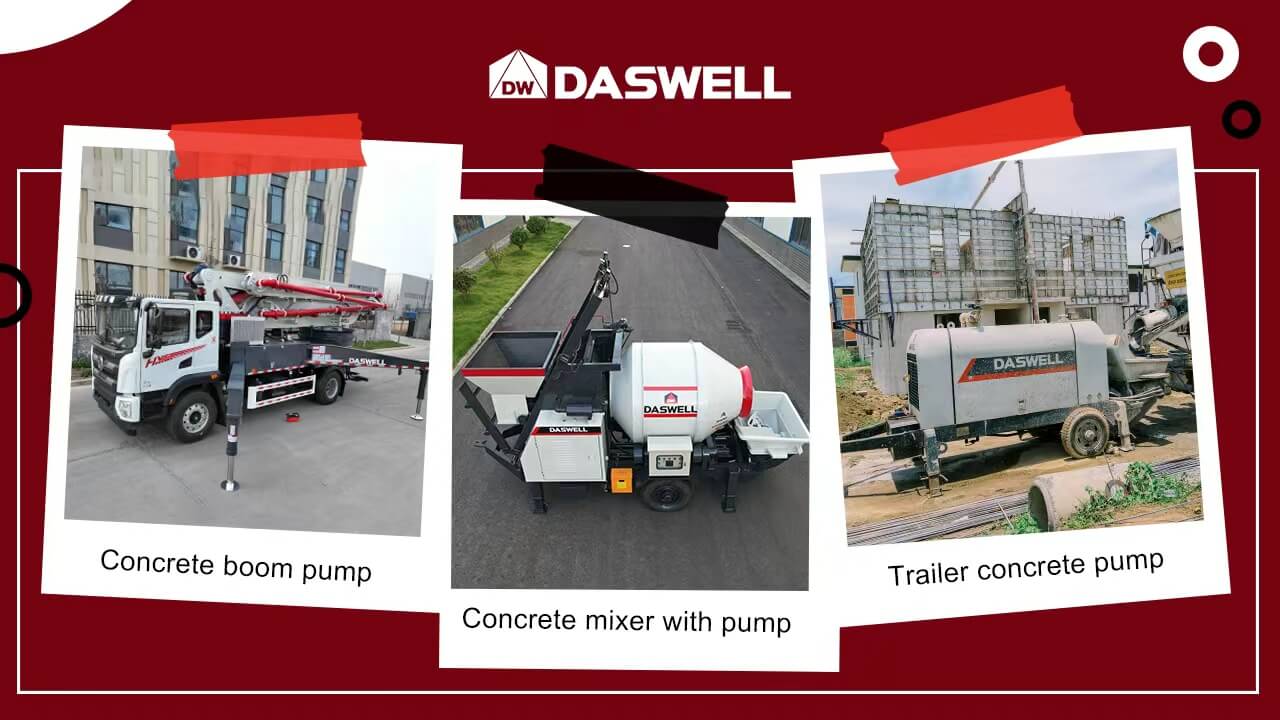
When selecting a concrete mixing and concrete pumping unit, one should not only focus on its theoretical pumping capacity but also verify its suitability for the specific concrete mix design and aggregate conditions used in the project.From aggregate gradation to the actual pumping process, there is the critical matter of ensuring compatibility between the concrete mixer and concrete pumping equipment.
If you are currently determining a concrete mix design for a project, or need to learn the requirements regarding aggregate size and concrete composition for your existing concrete mixer pump, please feel free to reach out to the DASWEL team. We can provide practical advice tailored to your specific construction requirements.