5 Types of Concrete Batching Plants: How to Choose the Right Solution for Your Project
Concrete production efficiency and consistency can directly impact construction speed, cost control, and final structure quality. As project requirements become more diversified—ranging from urban buildings to remote roadwork—choosing the right concrete batching plant is more important than ever.
At DASWELL, we supply a complete range of concrete batching plant solutions, including mobile batching plants, stationary batching plants, and dry mix batching plants, designed to match different jobsite conditions and production needs. With reliable operation, fast installation, and stable output, DASWELL batching plants help contractors and suppliers improve productivity, reduce operating costs, and meet tight schedules.
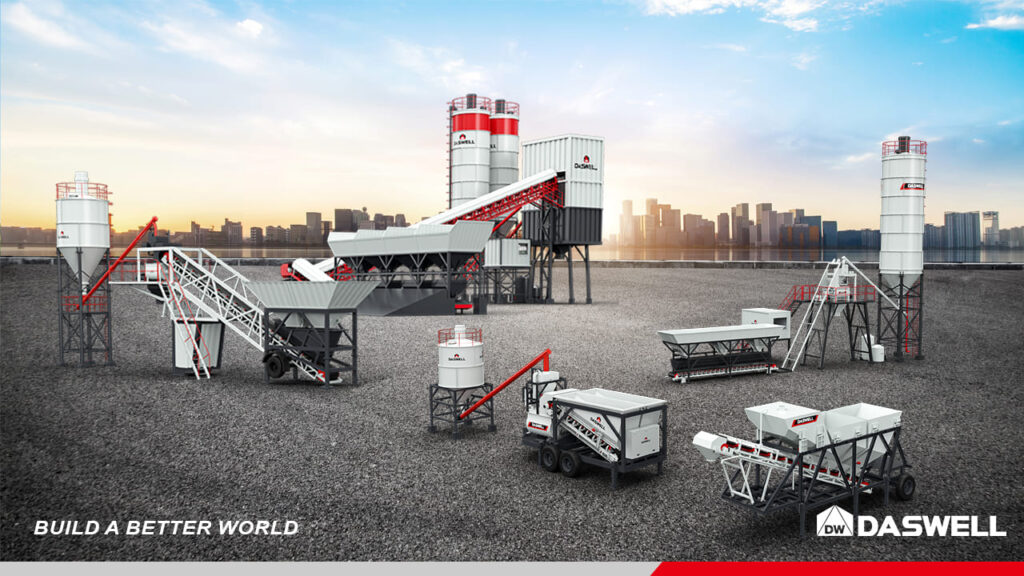
In this article, we will introduce the five most common batching plant types, their key strengths, and typical applications—so you can quickly identify which solution fits your project.
Where Concrete Batching Plants Are Used
- Commercial & residential buildings
- Industrial facilities
- Road & highway construction
- Bridges & elevated structures
- Railway & metro infrastructure
- Airport & port construction
- Water conservancy projects
- Precast concrete production
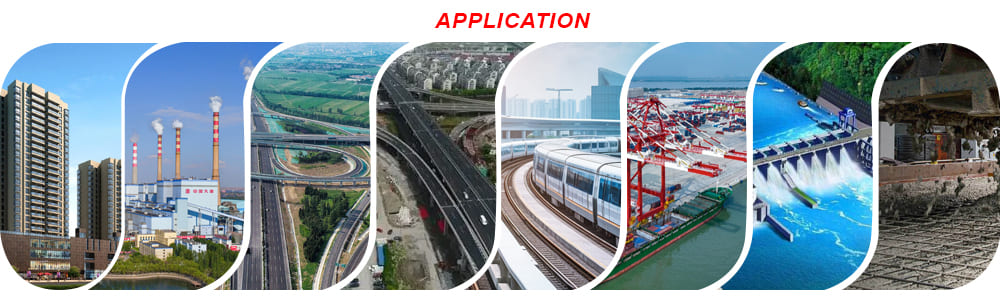
Different project environments demand different batching configurations—especially in terms of mobility, capacity, installation conditions, and logistics.
Advantages of DASWELL Concrete Batching Plant
- Efficient mixing performance for uniform concrete output
- Precise weighing systems for stable mix proportion control
- Smart PLC automation for easier operation and consistent quality
- Fast installation and stable operation for high jobsite uptime
- Flexible configurations to fit varying capacities and site limitations
Whether you need a fast-moving portable unit or a high-output stationary line, DASWELL provides scalable batching solutions for long-term performance.
The 5 Most Popular Types of Concrete Batching Plants
1.Mini Mobile Concrete Batching Plant
This type of mobile plant is optimized for height-restricted and compact jobsites, where traditional batching plants may not fit or require complex ramps.
- Low discharge height: Works well in restricted spaces and height-limited areas
- Simplified aggregate feeding: Reduced ramp construction and improved site logistics
- Portable design for easy relocation: One-trailer transport supports multi-site projects
- Flexible output for small to medium demand: Typical capacity range from 25 m³/h to 100 m³/h
- Heavy-duty structure for harsh environments: Anti-rust steel frame supports long-term stable operation with low maintenance
Best for: urban sites, limited-height areas, compact construction zones, and small-to-medium batching requirements.
2.Mobile Concrete Batching Plant
A mobile batching plant is designed for quick movement between construction sites and efficient on-site concrete production. It is a highly practical option for contractors handling multiple short-term projects.
- Easy transportation and quick relocation: Mounted on a single trailer and moved conveniently between sites
- Minimal foundation requirements: Can be installed on hardened ground or a simple concrete base
- Fast installation and dismantling: Modular design supports rapid setup and relocation
- PLC automatic control with stable accuracy: Automated weighing and mixing ensure consistent concrete quality
- Lower logistics cost: On-site production reduces reliance on concrete delivery and minimizes material waste
Best for: short-term projects, multi-site operations, rural construction, and contractors needing flexibility.
3.Stationary Skip Hopper Batching Plant
A stationary skip hopper plant is a cost-effective solution for stable concrete production, especially where installation space is limited. Instead of a belt conveyor, it uses a skip hoist system for aggregate feeding.
- Efficient skip hoist feeding: Suitable for continuous batching and stable output
- Space-saving layout: Requires less installation area and supports flexible site arrangement
- Cost-effective stationary solution: Ideal for small to medium production demands
- Strong mixing performance: Can be equipped with twin-shaft mixers or planetary mixers for different concrete grades
- Accurate control and easy maintenance: PLC automation and precise weighing improve consistency, while the heavy-duty structure reduces wear
Best for: compact sites, budget-sensitive projects, long-term local supply, and contractors upgrading from smaller setups.
4.Stationary Belt Conveyor Batching Plant
For higher-capacity production and ready-mix supply, belt conveyor plants offer faster and smoother aggregate feeding. This design supports continuous operation with stable batching rhythm.
- Continuous aggregate feeding for high output: Belt conveyor ensures stable material supply
- Smooth conveying improves efficiency: Maintains consistent production rhythm for long-term operation
- Accurate weighing + PLC automation: Ensures stable mix ratios and reliable concrete quality
- Flexible mixer options: Twin-shaft or planetary mixers for varied strength requirements
- Durable structure with optional environmental systems: Dust collection can be integrated for site compliance
Best for: ready-mix concrete plants, large-scale infrastructure, high-output commercial production, and long-term concrete supply lines.
5.Dry Mix Concrete Batching Plant (No Central Mixer)
Dry mix batching plants produce concrete materials by precise weighing and batching, then discharge directly into truck mixers for mixing during transport. This solution is widely used for centralized supply and long-distance delivery.
- Fast batching cycles: Materials discharge directly into truck mixers for continuous production
- Lower energy consumption: No central mixer means reduced power demand
- Reduced wet cleaning: No wet mixing process at the plant site means less wash-down work
- Ideal for remote and long-distance supply: Dry materials are convenient for transport and flexible distribution
- Supports environmental requirements: Dust collection and recycling systems can be integrated to reduce emissions and waste
Best for: remote projects, strict environmental sites, centralized batching + distribution, and long-term dry mix supply operations.
How to Choose the Right Batching Plant for Your Project
To select the best batching plant, consider the following factors:
📝 Project Mobility Requirements
Frequent jobsite changes → Mobile batching plant / low discharge mobile plant
Long-term fixed production → Stationary skip hopper / belt conveyor plant
📝 Site Space & Height Limitations
Compact sites / limited height → Low discharge mobile plant / stationary skip hopper plant
Large installation space available → Stationary belt conveyor plant
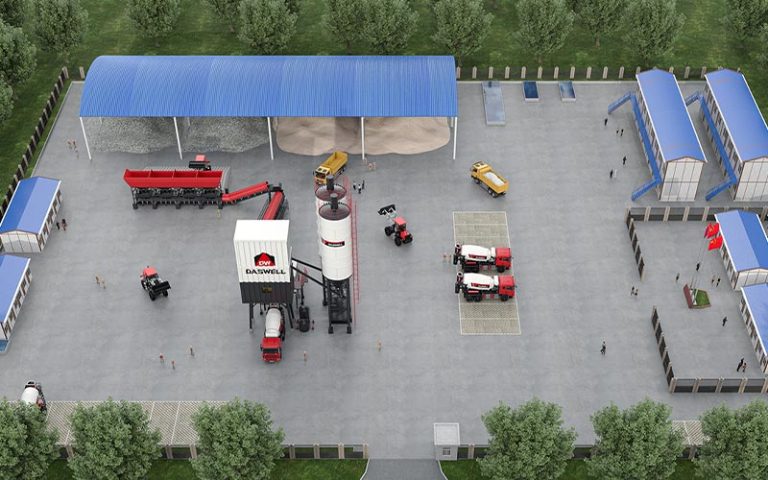
📝 Production Capacity & Supply Mode
Small to medium demand → Mobile and skip hopper types
High continuous output → Stationary belt conveyor type
Centralized batching with truck mixing → Dry mix plant
📝 Operation & Environmental Requirements
Need clean site management and lower water waste → Dry mix plant
Need full automation and stable long-term output → Stationary plant lines with PLC control
Project Success Stories: DASWELL Batching Plants in Action
DASWELL solutions have been applied worldwide to support different project conditions:
🏆 Mobile Plant for Multi-Site Road Repair (Philippines)
A civil works contractor required fast relocation for frequent site changes. The DASWELL MCBP60 mobile batching plant delivered rapid setup and stable output for multi-location road repair projects.
🏆 Compact 25 m³/h Solution for Short-Term Sites (Indonesia)
A small-to-mid contractor needed fast installation and easy relocation. The DASWELL MCBP25 (25 m³/h) with twin-shaft mixer and automatic control ensured efficient on-site production and quick move to the next project.
🏆 Stationary Plant for Municipal Road Expansion (Philippines)
A tight schedule and harsh climate required continuous supply and stable strength control. The DASWELL CBP60 stationary plant line with belt conveyor and fully automatic PLC system supported reliable long-term production.
🏆 Ready-Mix Supply for Roads & Bridges (Ecuador)
A ready-mix supplier faced dispersed job sites and harsh conditions. The DASWELL CBP75 stationary plant paired with mixer truck top ensured stable output and on-time delivery.
🏆 Dry Mix Production for Cleaner Bulk Loading (South Africa)
A producer needed consistent dry mix quality with dust control. The DASWELL dry mix batching plant integrated storage silos, precise weighing, PLC automation, and dust collection to achieve standardized output and cleaner operation.
Contact Us
From flexible mobile units to high-output stationary lines and energy-efficient dry mix solutions, DASWELL offers concrete batching plants engineered for real jobsite performance. Selecting the right batching plant helps you improve concrete quality, reduce operating costs, and ensure smooth project execution.
If you are planning a new batching system or upgrading your current production line, DASWELL can provide a tailored solution based on your capacity requirements, site conditions, and application needs. Contact DASWELL today to get a professional recommendation and quotation for your project.