5 Things Buyers Often Ignore Before Buying a Concrete Batching Plant
Buying a concrete batching plant is not just about choosing a model with a higher output number. On many job sites, the real problem starts after the equipment arrives. The plant may look suitable in the quotation, but once production begins, the user finds that the layout is inconvenient, the installation takes longer than expected, or the plant does not really fit the project.
This happens more often than many buyers think. When people compare concrete batching plants, they usually focus on price, capacity, and delivery time first. Those points matter, of course. But they are not the whole picture.
A good concrete batching plant should match the way the project actually runs. It should fit the job duration, site conditions, material supply, and future production plan. Before buying, there are several details that buyers often overlook, and these details can affect cost, efficiency, and long-term use.
1. The Plant Size Does Not Always Match the Real Job
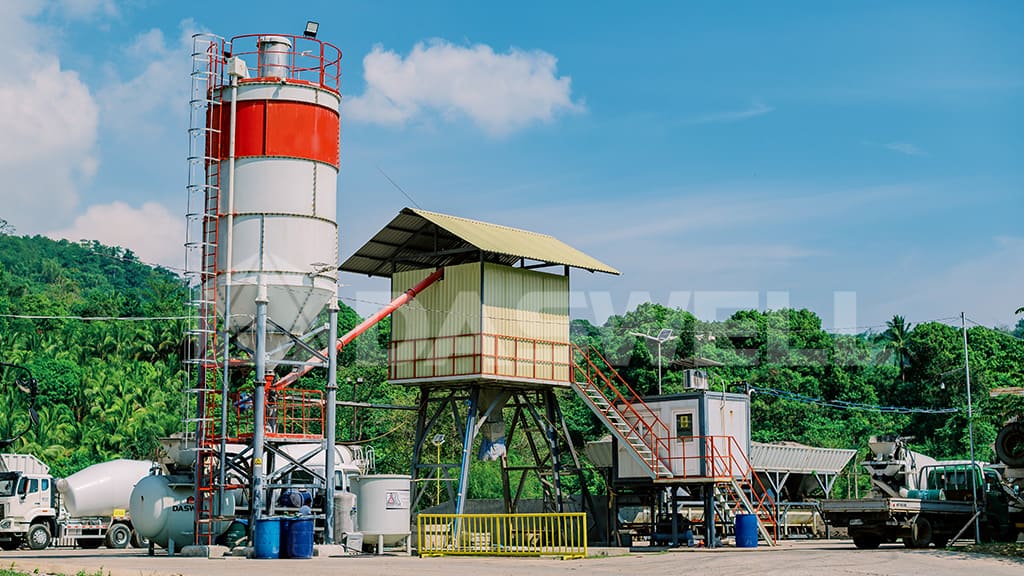
A bigger concrete batching plant is not always a better choice.
Some buyers assume that choosing a larger model is safer. In practice, that can create unnecessary cost. A plant with more capacity than the project really needs may require more land, more foundation work, and higher investment in related systems. It can also increase operating pressure if the daily concrete demand is not high enough.
At the same time, choosing a plant that is too small creates another problem. The equipment may struggle to keep up with the pouring schedule, especially during peak production periods.
This is why buyers should look at the real project first. How much concrete is needed per day? How long will the project last? Is the concrete demand stable, or does it change from stage to stage? These questions are more useful than simply comparing the rated output of different concrete batching plants.
For short-term work or small and medium jobs, a smaller solution may be enough. For larger and more stable production needs, a larger stationary concrete batching plant may make more sense.
2. Buyers Do Not Decide Early Enough Between Mobile and Stationary
This is one of the most common issues in actual equipment selection.
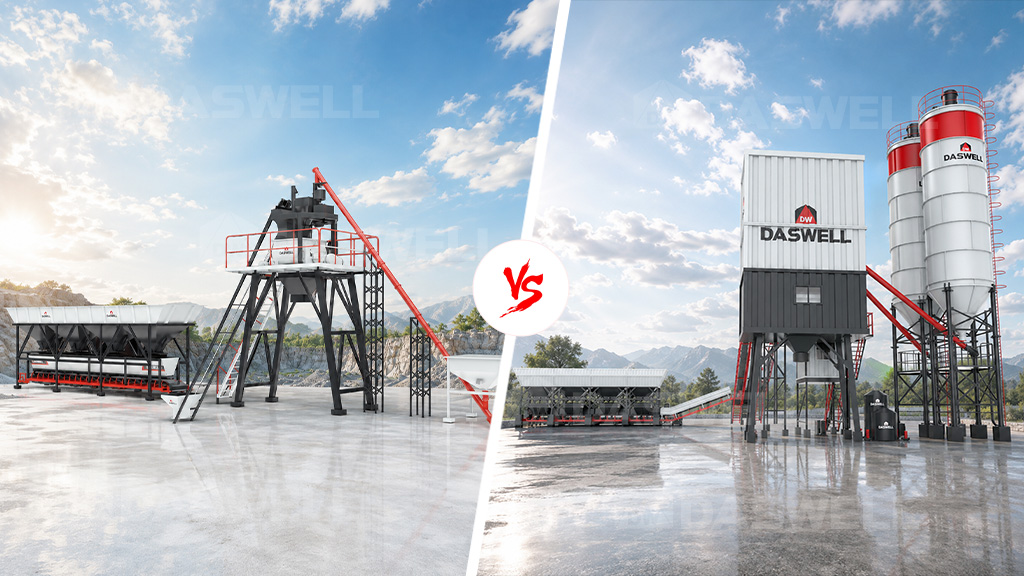
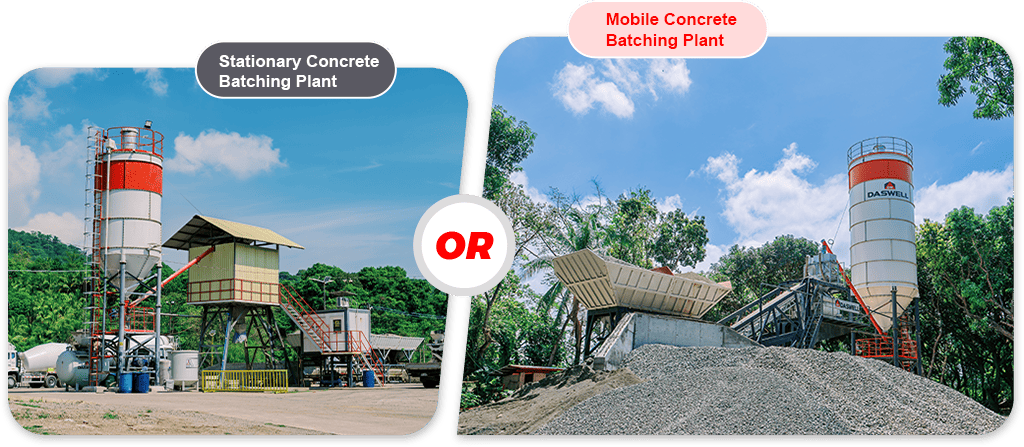
Some customers ask for quotations before they clearly know whether they need a mobile concrete batching plant or a stationary concrete batching plant. That often leads to confusion later, because the two types are built for different working conditions.
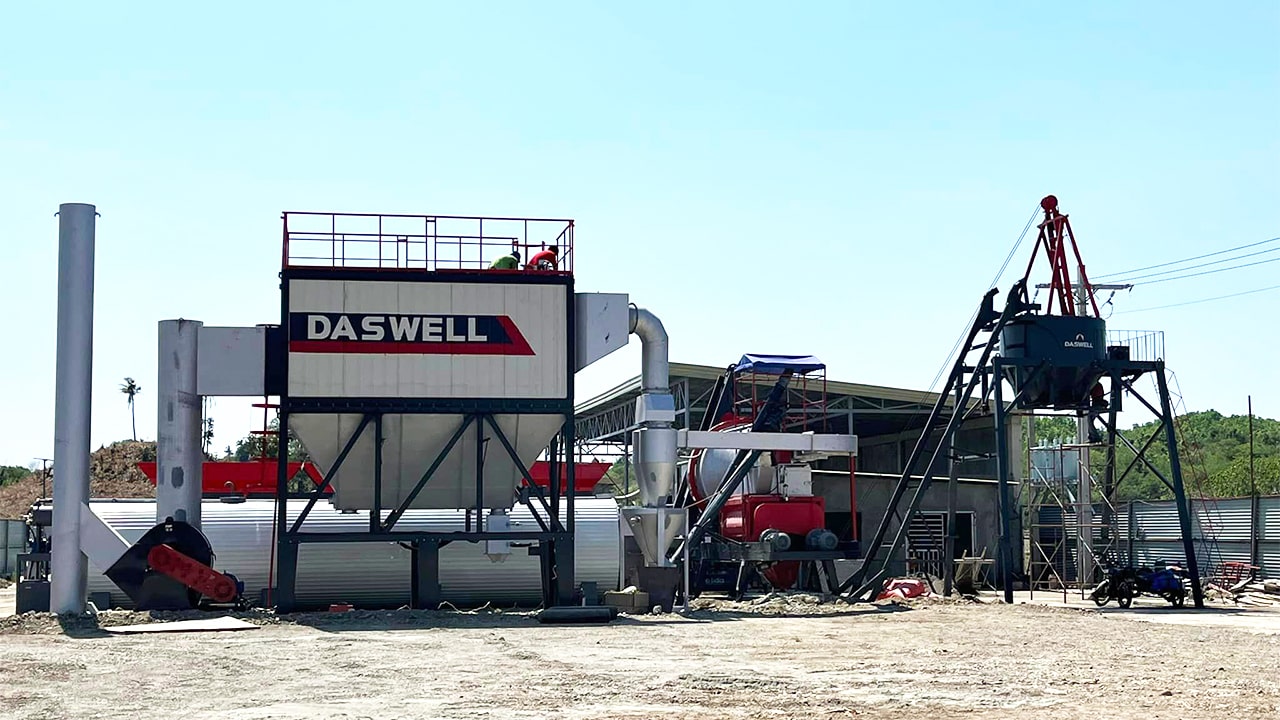
A mobile concrete batching plant is usually a practical choice for projects that move from site to site, need faster setup, or have limited construction time. It is often used in road construction, bridge work, remote areas, and temporary projects. The compact structure also helps reduce installation time.
A stationary concrete batching plant is usually better for fixed sites and long-term production. If the project has a stable location, consistent demand, and enough space, this type of concrete batching plant often offers better long-term efficiency.
The point is simple: buyers should not compare these two options only by price. They should compare them by project type. If the plant may need to move later, a mobile unit could save trouble. If the site will stay the same for a long time, a stationary design may be the better investment.
3. Site Layout and Installation Are Often Underestimated
Many buyers pay close attention to the machine itself, but not enough attention to the site where it will be used.
In real production, a concrete batching plant needs more than just enough room to stand. The full layout matters. There should be enough space for aggregate feeding, cement storage, truck access, discharge, and daily maintenance. If the layout is tight or poorly planned, the whole line may become less efficient.
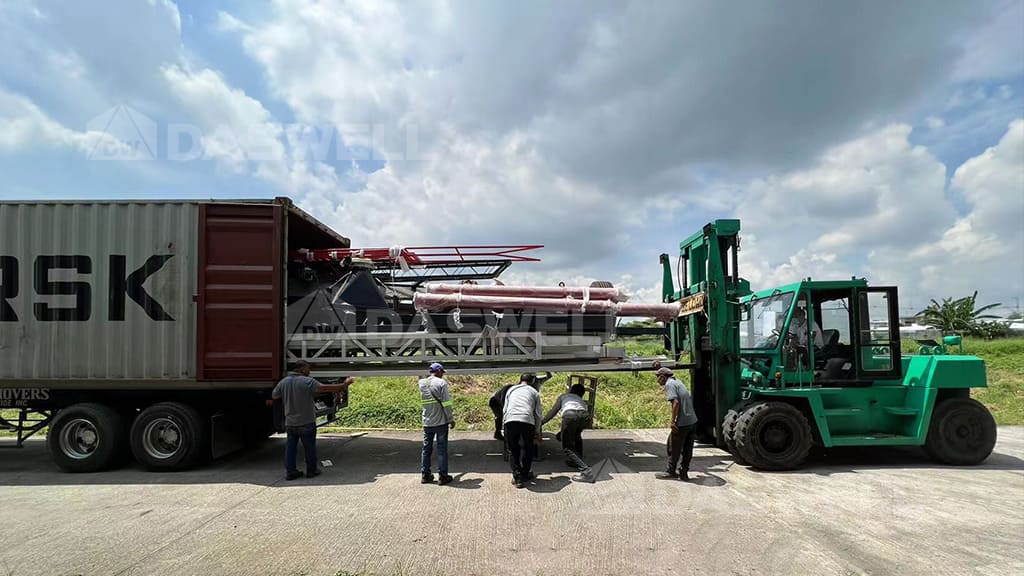
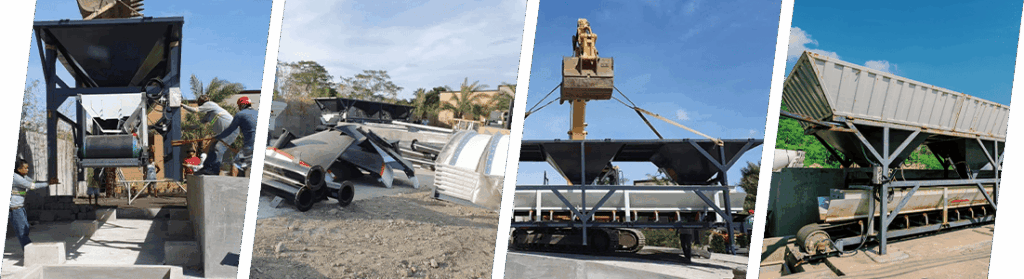
Installation time is another issue. Some projects need to start quickly, so this factor directly affects equipment choice. A mobile concrete batching plant usually has an advantage here because it is easier to install and transfer. For users who want to reduce civil work and speed up commissioning, that can be a real benefit.
A stationary concrete batching plant often needs more preparation, but it can be more suitable for long-term operation. Buyers should think about foundation conditions, transport access, and site organization before deciding which type of concrete batching plant to buy.
Ignoring these details may not seem serious at the quotation stage, but they often become obvious once the project starts.
4. Supporting Equipment Matters More Than Many Buyers Expect
A concrete batching plant is not an isolated machine. It works as part of a complete system.
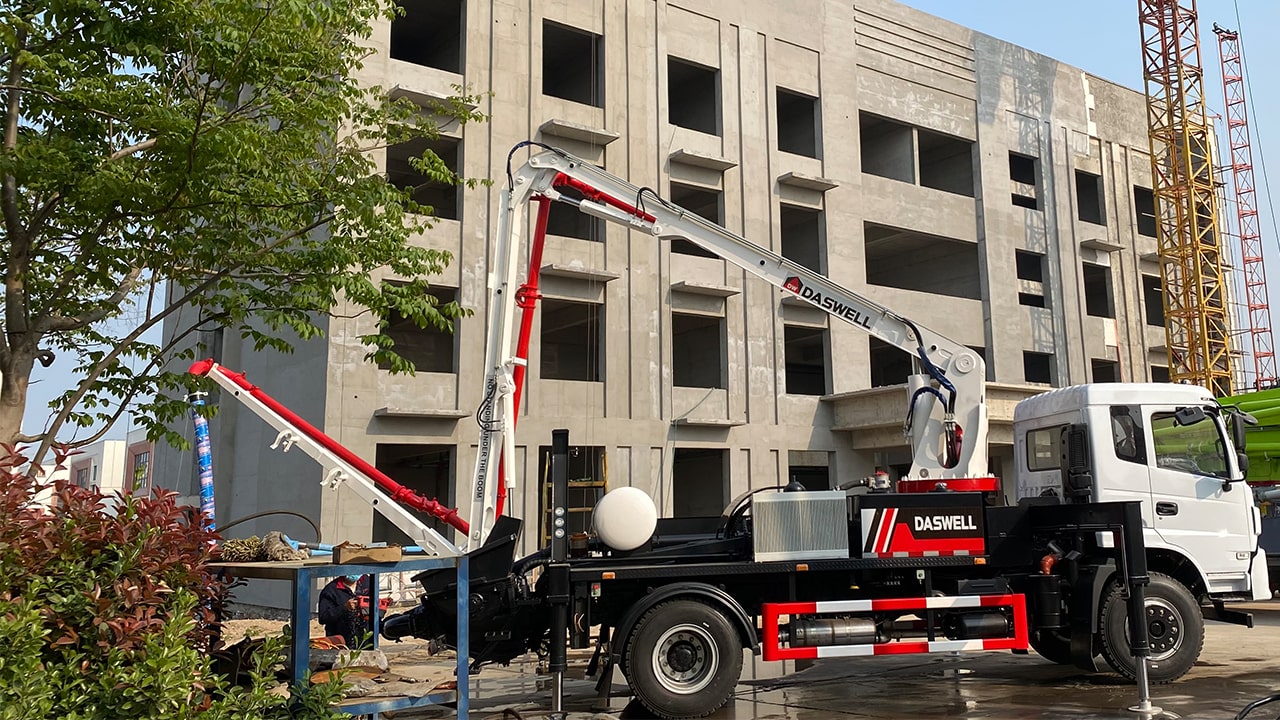
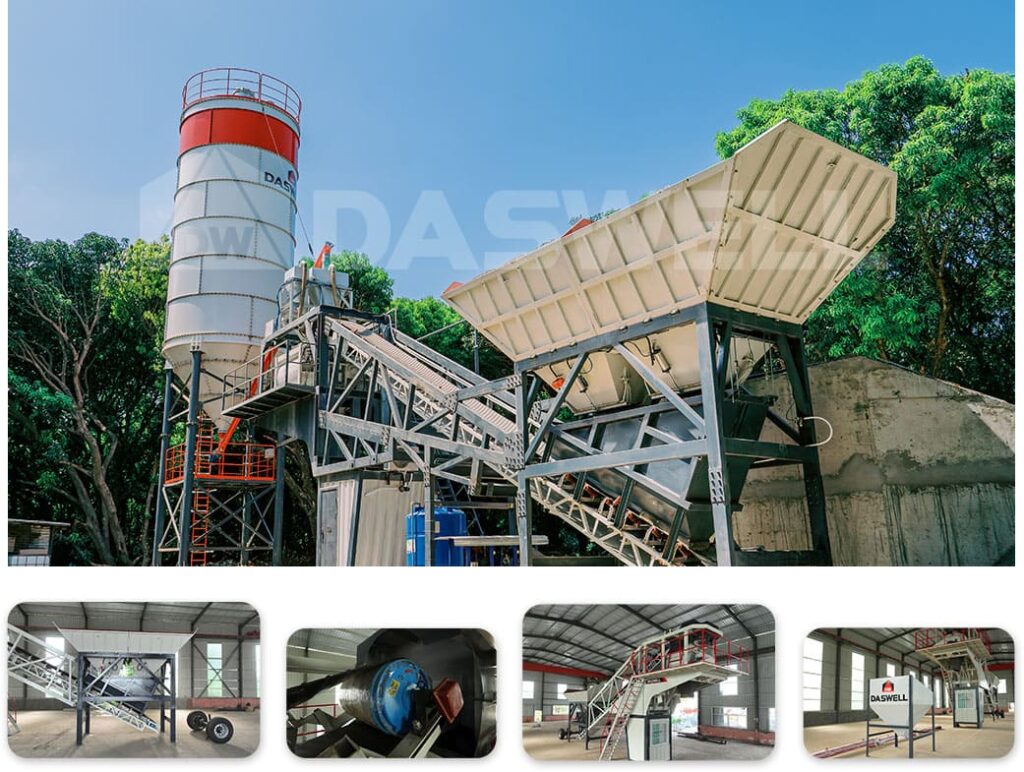
This is why buyers should also look at the supporting equipment, not only the main plant. Depending on the configuration, the full setup may include a cement silo, screw conveyor, aggregate batching system, control system, and sometimes a concrete mixer truck for transport. On some projects, a concrete mixer pump or self loading concrete mixer may also be relevant, especially when the concrete handling method is different from standard delivery.
Material handling also affects plant performance. If aggregate feeding is not smooth, cement storage is too limited, or discharge is not arranged well, the plant may not deliver the expected output even if the core machine is reliable.
That is why experienced buyers usually ask how the whole system will work together. A suitable concrete batching plant solution is not only about mixing concrete. It is about making sure that storage, feeding, weighing, mixing, and discharge all work in a practical way on site.
5. The Lowest Price Is Not Always the Lowest Cost
This point is easy to understand, but many people still overlook it.
When comparing concrete batching plants, some buyers focus too much on the initial quotation. A lower price may look attractive at first, but the long-term cost can be very different. Maintenance, wear parts, installation difficulty, labor demand, transfer cost, and energy use all affect the real cost of ownership.
A plant that is cheap to buy but inconvenient to use can become expensive later. On the other hand, a concrete batching plant that matches the project well may save money over time by reducing downtime and improving workflow.
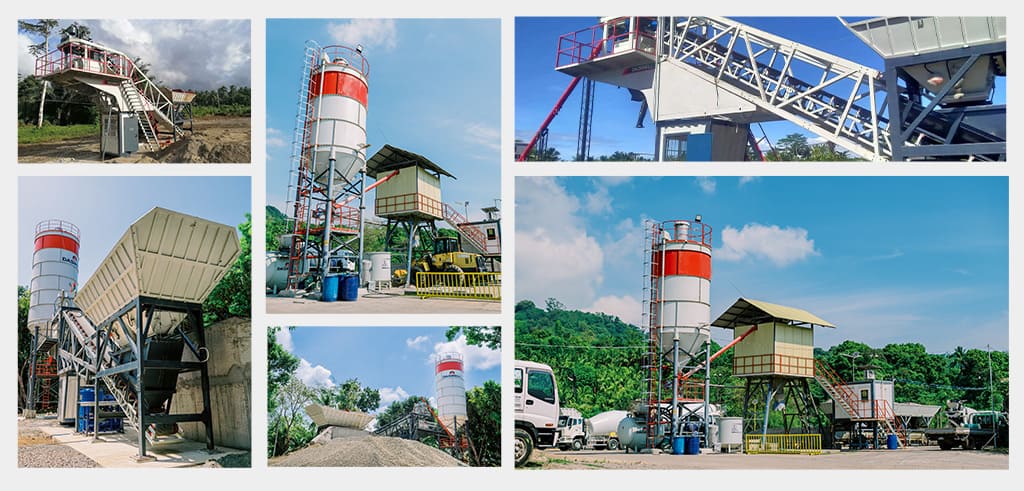
This is also where the difference between a mobile concrete batching plant and a stationary concrete batching plant becomes important again. A mobile model may reduce relocation cost on changing job sites. A stationary model may offer better value on long-term fixed projects.
So before making a final decision, buyers should look beyond the selling price. They should ask a more useful question: what will this concrete batching plant cost to run through the whole project?
Contact DASWELL
Choosing the right concrete batching plant is not only about capacity, model, or price. In many cases, the real problems come later, when the plant does not fit the project well.
Before buying, buyers should pay attention to project scale, plant type, site layout, and operating cost. These factors are often ignored, but they can greatly affect actual use.
Whether you need a mobile concrete batching plant or a stationary concrete batching plant, the key is to choose based on real project needs. For a suitable solution, contact Daswell.