Common Problems in a Mobile Crusher Plant and How to Fix Them
A mobile crusher plant is usually chosen for one clear reason: the material needs to be crushed on site, not moved back and forth between different locations. That is why mobile crushing plants are widely used in quarrying, road work, construction projects, mining, and some grinding production lines that need pre-crushing before grinding.
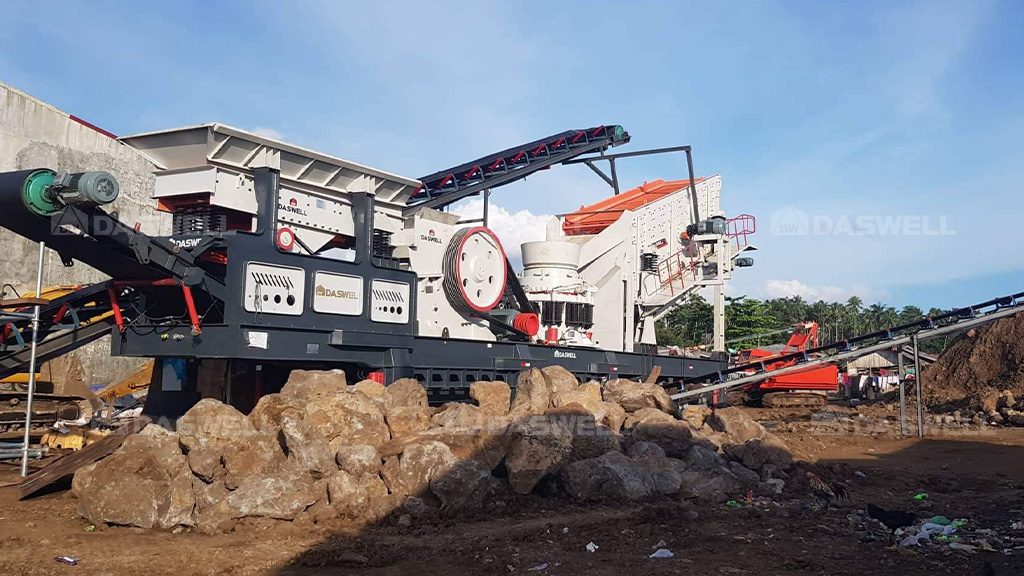
In real operation, however, flexibility alone does not guarantee good performance. Many users run into the same issues after production starts. Output may fall below the target. Material may block in the feeder, crusher, or discharge area. Finished product size may become unstable. Wear parts may wear out faster than expected. In some cases, the plant keeps running, but fuel consumption rises while overall efficiency drops.
Most of these problems do not come from one part alone. They are usually related to how the material is fed, how wet or sticky the raw material is, how the crusher is set, how well the screen is working, and whether daily inspection is done in time. When these points are checked early, many problems can be corrected before they lead to serious downtime.
In this article, we look at the most common problems in a mobile crusher plant and the practical ways to solve them.
1. Low Output from the Mobile Crusher Plant
Low output is one of the most common problems in a mobile crusher plant. The plant is running, but the actual capacity is clearly lower than expected.
In many cases, the first thing to check is the feed. If the feed size is too large, or if the feeding is uneven, the crusher cannot stay under a stable load. Wet or sticky material can also reduce both crushing efficiency and screening performance. Sometimes the crusher itself is not the real bottleneck. The screen, conveyor, or transfer section may be slower than the crusher, which limits the capacity of the whole line.
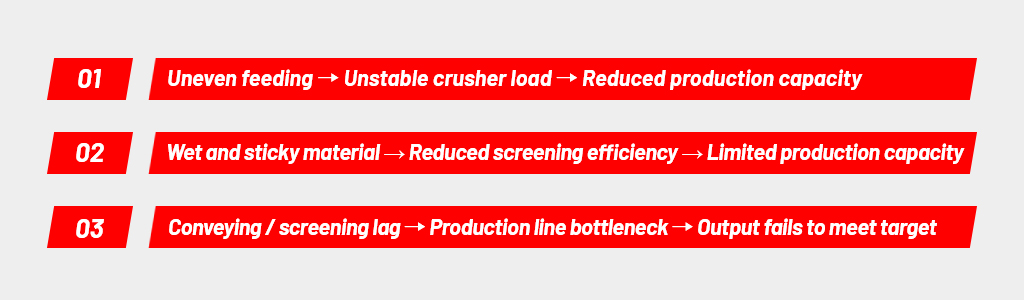
To improve output, first confirm that the feed size is within the design range of the mobile crusher plant. Then keep the feeding steady. A stable feed rhythm usually works better than pushing the plant with sudden heavy loads. If the raw material contains too much clay, moisture, or fine powder, pre-screening can help reduce unnecessary load on the crusher.
It is also important to check the full system, not only the crusher. A mobile crusher plant works as one line. If one section cannot keep up, total output will drop. If you are not sure whether your current configuration matches your material and target capacity, DASWELL can help review the setup based on actual working conditions.
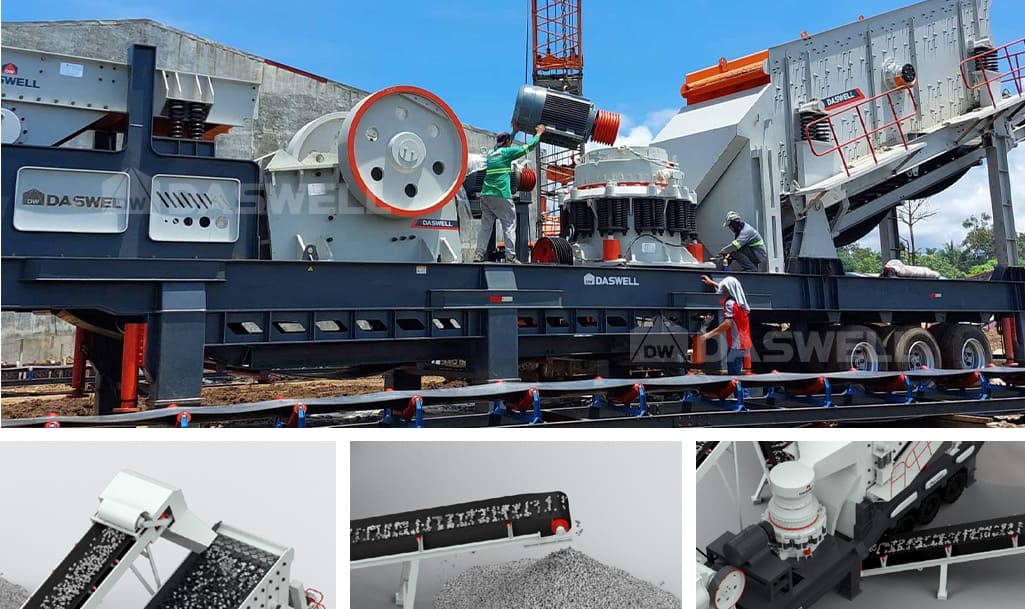
2. Material Blockage During Crushing
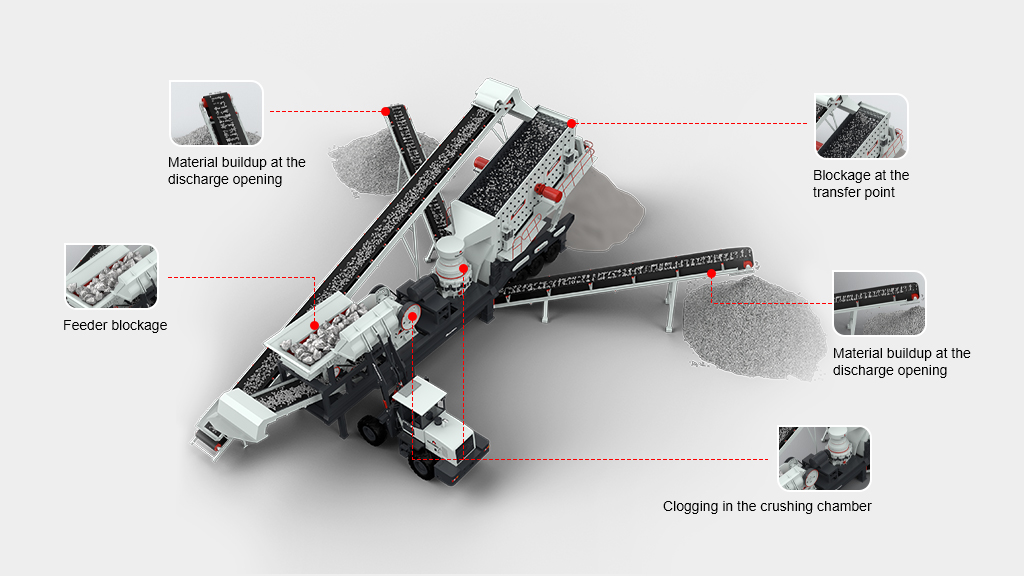
Blockage is another common problem in a mobile crusher plant. It may happen in the feeder, the crushing chamber, the transfer point, or the discharge area. Once the material flow is interrupted, the whole plant may need to stop.
The usual causes are oversized feed, sticky material, excessive moisture, and unstable feeding. In some cases, the discharge opening is too small for the material condition, which increases the risk of buildup inside the chamber or at the discharge point.
The first step is to control the raw material size before it enters the plant. The second is to keep feeding even. In practice, steady feeding is usually safer and more effective than trying to push too much material through the machine in a short time. If the material contains a high percentage of clay or moisture, reduce the feed load or prepare the material before crushing. The discharge opening should also be checked and adjusted when necessary.
On many sites, blockage is not only a material problem. It is often a feeding problem first. When the material flow stays stable, the mobile crusher plant usually runs more smoothly.
3. Uneven Finished Product Size and Poor Screening Efficiency
A mobile crusher plant should produce material with a stable particle size. If the final product is too coarse, too fine, or inconsistent, it may affect later use in road base, concrete aggregate, or other applications.
This problem is often linked to two main points: crusher setting and screen performance. If jaw plates, liners, or blow bars are badly worn, the crushing result will change. If the screen mesh is blocked, damaged, or not matched to the required output size, separation will become unstable as well.
To solve this problem, inspect wear parts regularly and replace them before wear becomes too severe. Check whether the crusher setting still matches the required finished product size. Then inspect the vibrating screen carefully and confirm that the mesh opening fits the target specification.
In actual operation, users sometimes assume the crusher is causing the size problem, while the real issue is screening. When the screen is not working properly, the whole mobile crusher plant becomes less efficient and final product control becomes much harder.
4. Fast Wear of Jaw Plates, Liners, and Other Parts
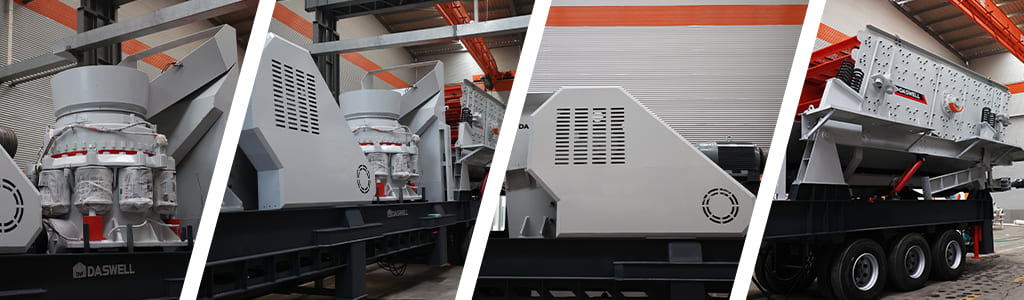
Wear parts are a major operating cost in a mobile crusher plant. Jaw plates, liners, blow bars, and screen mesh all require regular replacement. If they wear out too quickly, the cost per ton rises fast.
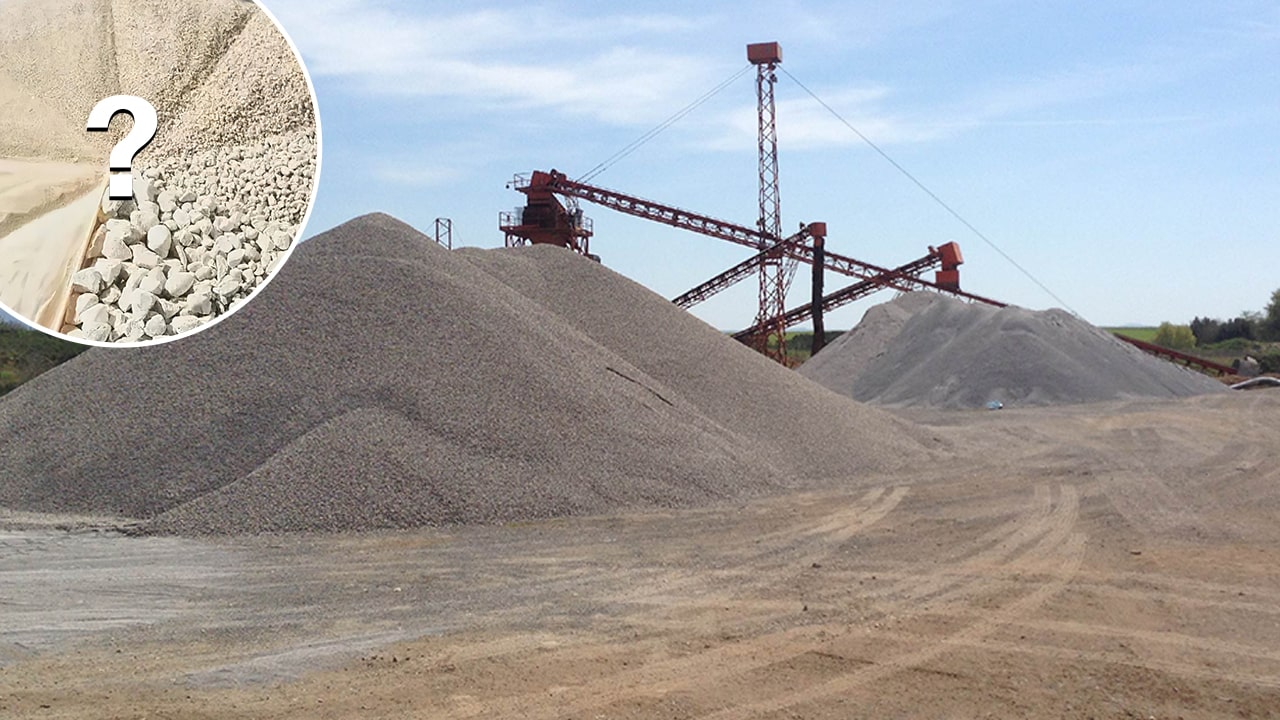
Material type is one of the biggest factors. Hard and abrasive materials such as granite, basalt, and some river stone naturally increase wear. But operating conditions matter too. If the chamber is fed unevenly, wear can become concentrated on one side. In other cases, the machine itself may not be the best match for the material, which also shortens wear life.
The first step is to match the crusher type and chamber design to the stone being processed. A mobile crusher plant for hard rock should be selected with wear life in mind from the start. Operators should also try to keep the chamber evenly fed. Daily inspection is important as well. Planned replacement is always better than waiting for severe wear or sudden failure.
If wear cost remains too high, the issue may not be daily operation alone. It may also be related to machine selection, chamber choice, or line configuration. DASWELL can help review the material condition and recommend a more suitable crushing solution for different stone types and applications.
5. Abnormal Vibration, Noise, and Conveyor Problems
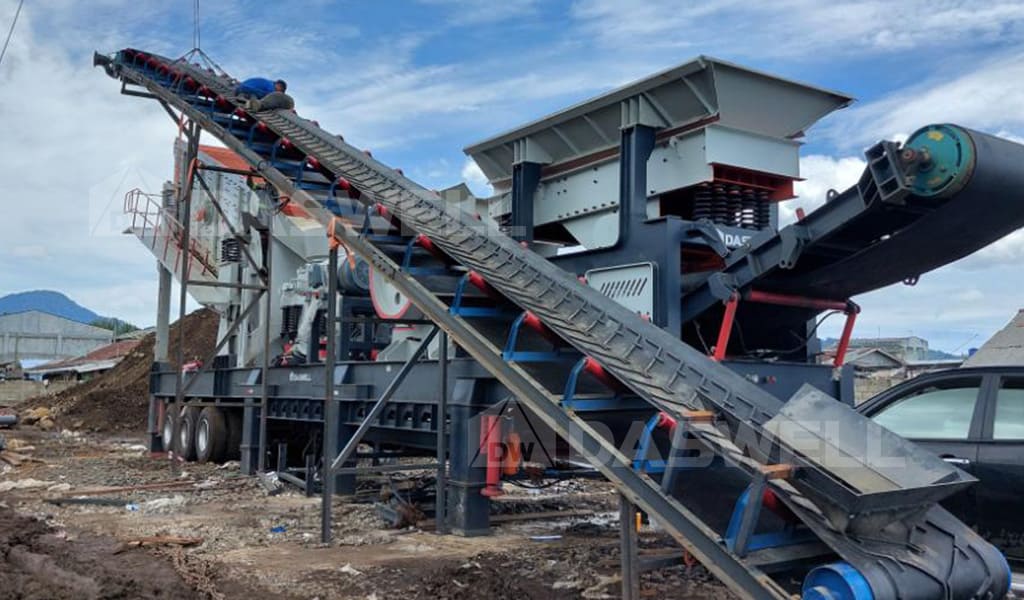
Abnormal vibration and unusual noise should never be ignored in a mobile crusher plant. They are often early warning signs of mechanical problems. Conveyor issues are also common and can interrupt production very quickly.
Possible causes include loose bolts, worn bearings, damaged belts, poor belt alignment, uneven loading, or unstable ground conditions. Because a mobile crusher plant is often moved from one site to another, ground preparation should also be checked before operation starts.
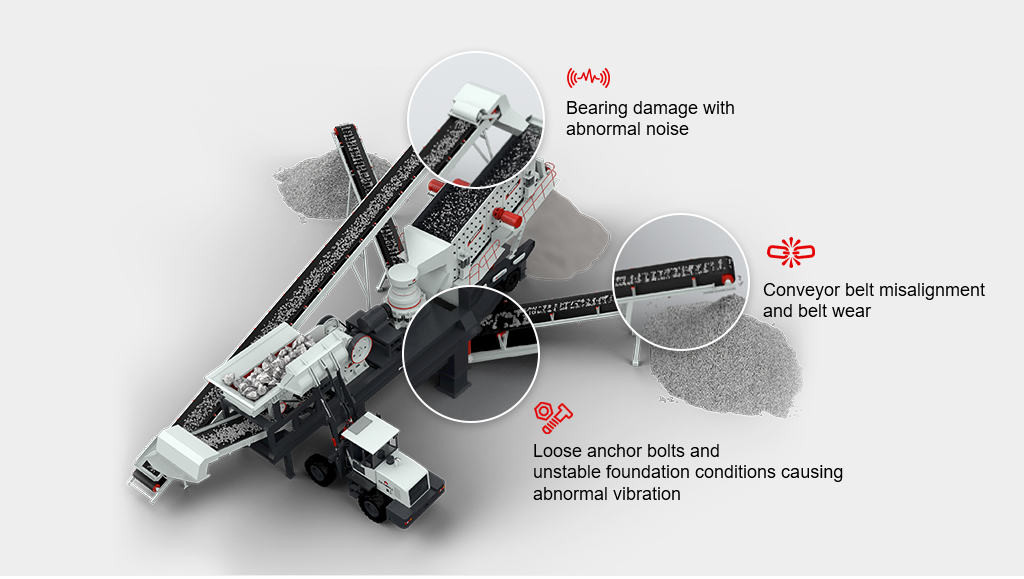
If vibration or noise appears, stop the plant and inspect it as early as possible. Check fasteners, bearings, belt tension, pulley alignment, and material flow. Make sure the material lands close to the center of the belt. Clean transfer points regularly and remove buildup before it causes more serious trouble.
Small mechanical problems are much easier to fix at an early stage. If they are ignored, they can lead to longer downtime, higher repair cost, and unnecessary production loss later.
6. High Fuel or Power Consumption
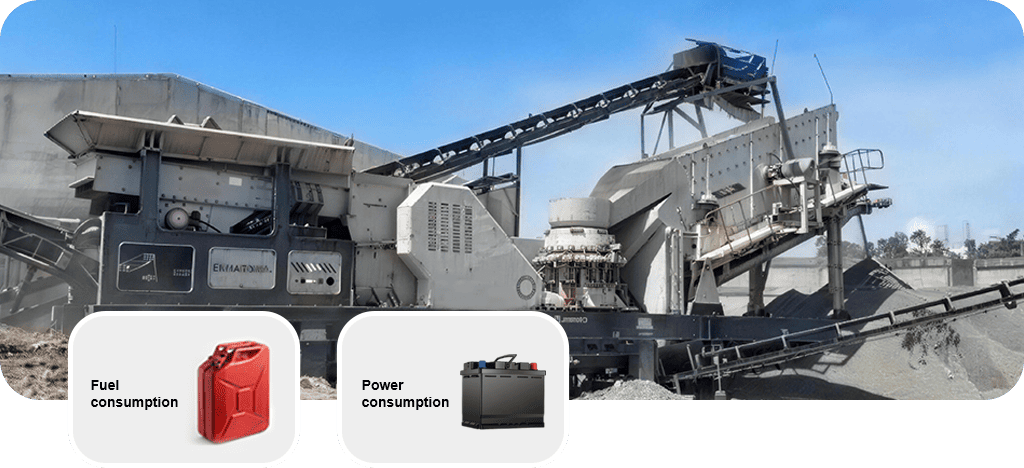
High fuel or power consumption is another issue many users notice in a mobile crusher plant. Energy use increases, but output does not improve.
This usually happens when the plant runs under unstable load, re-crushes too much material, or continues operating with badly worn parts. Long idle time is another common reason for wasted fuel or power. In many cases, rising energy cost is a sign that the whole line is not working in balance.
The most effective way to reduce energy cost is to improve the full process, not only the engine side. Keep the feeding steady. Improve screening efficiency. Replace wear parts in time. Reduce unnecessary idle running. When crushing, screening, and conveying stay matched, a mobile crusher plant becomes more economical to run.
Energy cost should be judged by tons produced under stable working conditions, not by engine performance alone.
Choosing the Right Crushing Solution for the Project
Daily operating problems matter, but plant selection at the beginning matters just as much. Different projects require different layouts, output ranges, and material handling methods.
A mobile crusher plant is a practical choice for projects that need flexible movement, faster setup, and on-site crushing. It is widely used in road work, quarry operations, construction projects, and construction waste recycling. In construction projects, it can crush aggregate directly on site and help reduce hauling distance and material handling between locations.
For long-term production at a fixed site, a stationary crushing plant may be the better option. It is generally more suitable for projects that require a fixed layout, higher output, and more continuous production.
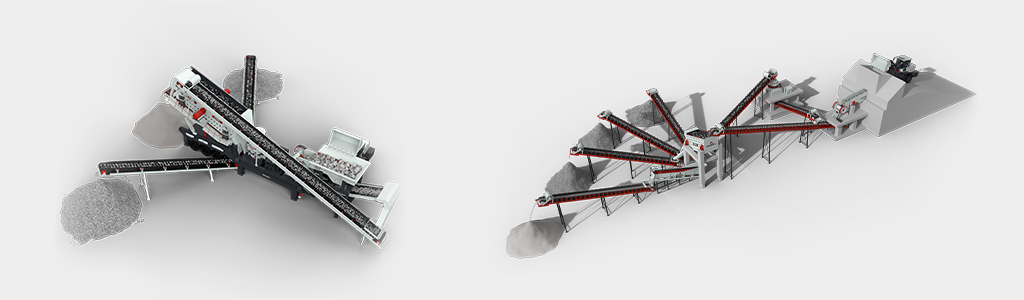
At DASWELL, we offer both mobile crusher plant and stationary crushing plant solutions for different applications. Our mobile crusher plant can be used for aggregate production in construction projects. It can also work with a grinding plant to provide pre-crushing before grinding, helping control feed size and improve the efficiency of the whole production line.
If you are planning a crushing or grinding project, the right setup should be based on your raw material, required output size, site condition, and target capacity. DASWELL can help review these factors and recommend a suitable configuration.